


Cylinder Head seals combustion chamber, houses valves & spark plugs, forms coolant passages, wit...
Industry News
Home / News / Industry News / Aluminum Die Casting Electromechanical Molds Gain Popularity in Automotive and Electronics Industries
Content
In today’s manufacturing environment, precision, efficiency, and reliability are key factors that influence production decisions. As industries continue to develop lighter, more compact, and higher-performance products, the demand for advanced molding solutions has increased steadily. Among various tooling technologies, Aluminum Die Casting Electromechanical Molds are gaining attention for their ability to support consistent quality and cost-effective mass production.
From automotive components to electronic housings, these molds are playing an important role in shaping modern industrial manufacturing. Their stable performance, long service life, and adaptability make them a practical choice for companies looking to improve productivity while maintaining product standards.
With growing demand from both automotive and electronics sectors, Aluminum Die Casting Electromechanical Molds are becoming a common solution across global production lines.
Manufacturers today face higher expectations than ever before. Customers want products that are lighter, stronger, and more compact, while still maintaining reliable performance. This is especially true in the automotive and electronics industries, where small differences in part accuracy can affect overall functionality.
Traditional forming and machining methods may not always meet these requirements efficiently. They can involve multiple processing steps, higher material waste, and longer production times. As a result, companies are turning to die casting technologies that allow for faster production and more consistent results.
Aluminum Die Casting Electromechanical Molds provide a practical way to produce complex shapes with tight tolerances. By combining advanced mold design with aluminum die casting processes, manufacturers can create precise components in large quantities.
Aluminum Die Casting Electromechanical Molds are specialized tools used to form aluminum alloy parts through high-pressure injection. Molten aluminum is injected into the mold cavity, where it cools and solidifies into the desired shape. The mold then opens, and the finished component is removed.
These molds are carefully engineered to ensure:
Accurate dimensions
Smooth surface finishes
Stable cooling performance
Efficient production cycles
The electromechanical aspect refers to their application in producing parts used in electrical and mechanical systems, such as motor housings, brackets, connectors, enclosures, and structural supports.
Because aluminum is lightweight and easy to cast, it works well with these molds, making the process suitable for a wide range of industrial applications.
Aluminum die casting offers several advantages that make it attractive to manufacturers. First, it allows the production of complex shapes in a single step. This reduces the need for additional machining or assembly.
Second, aluminum has good strength-to-weight properties. It helps reduce the overall weight of products without sacrificing durability. This is particularly important in automotive and electronic devices, where weight reduction can improve efficiency and handling.
Third, the die casting process supports high-volume production. Once Aluminum Die Casting Electromechanical Molds are set up, parts can be produced quickly and consistently. This helps companies meet large orders while controlling costs.
These benefits explain why many industries are choosing aluminum die casting as a core manufacturing method.
The automotive sector is one of the main users of Aluminum Die Casting Electromechanical Molds. Modern vehicles include a wide range of aluminum components, from engine parts to structural supports and electronic housings.
Reducing vehicle weight has become a priority for car manufacturers. Lighter vehicles generally use less energy and provide improved driving performance. Aluminum components produced through die casting help achieve this goal.
Common automotive applications include:
Transmission housings
Motor and pump covers
Brackets and mounts
Battery system enclosures
Heat sinks and cooling components
Aluminum Die Casting Electromechanical Molds make it possible to manufacture these parts with consistent quality and repeatability. Their precision ensures that each component fits correctly within the vehicle system.
As electric vehicles and hybrid cars become more common, the demand for lightweight and reliable aluminum parts is expected to continue growing.
The electronics industry also benefits from Aluminum Die Casting Electromechanical Molds. Many electronic products require compact metal housings that protect internal components while allowing heat dissipation.
Aluminum is well suited for this purpose because it combines light weight with good thermal conductivity. It helps manage heat generated by electronic devices, improving performance and lifespan.
Die-cast aluminum parts are commonly used for:
Equipment enclosures
Power supply cases
LED lighting housings
Heat sinks
Connectors and supports
Using Aluminum Die Casting Electromechanical Molds allows manufacturers to produce these parts with clean edges and accurate shapes. This supports both functional performance and product appearance.
As demand for smart devices, communication equipment, and industrial electronics grows, the need for reliable mold solutions continues to increase.
Efficiency is a major concern for modern factories. Shorter production cycles and reduced downtime help companies remain competitive. Aluminum Die Casting Electromechanical Molds are designed with these goals in mind.
Advanced cooling channels and optimized cavity designs help control temperature during the casting process. This allows parts to solidify faster and shortens cycle times. Faster cycles mean more parts can be produced within the same period.
In addition, well-designed molds reduce defects and material waste. Fewer rejected parts lead to smoother operations and lower costs.
By improving both speed and consistency, these molds contribute to more efficient manufacturing processes.
Tooling durability is another important factor for manufacturers. Frequent mold replacement can increase costs and interrupt production schedules. Aluminum Die Casting Electromechanical Molds are typically made from high-strength tool steels that can withstand repeated use under high pressure and temperature.
Proper design and maintenance allow these molds to operate for many cycles without significant wear. This long service life provides better value for investment and supports stable production planning.
Regular inspection and maintenance also help ensure continued performance. When handled correctly, these molds can serve manufacturing lines for extended periods.
Every industry has unique requirements, and many products require customized parts. Aluminum Die Casting Electromechanical Molds can be tailored to meet specific design needs.
Engineers can adjust cavity shapes, surface finishes, and internal structures to match different applications. This flexibility allows manufacturers to create parts that meet precise functional and aesthetic standards.
Whether producing small batches of specialized components or large quantities of standard parts, customized molds provide practical solutions.
This adaptability makes Aluminum Die Casting Electromechanical Molds suitable for both established companies and emerging manufacturers.
Consistency is essential in both automotive and electronics manufacturing. Components must meet strict standards for safety and performance. Even small variations can affect final products.
Aluminum Die Casting Electromechanical Molds help maintain stable quality through precise machining and controlled casting conditions. Automated systems and quality checks further support repeatable results.
Reliable molds reduce the risk of defects and help companies comply with industry regulations. This supports customer trust and long-term business relationships.
As global manufacturing continues to develop, the demand for efficient and lightweight solutions is likely to grow. Aluminum Die Casting Electromechanical Molds are well positioned to meet these needs.
Advances in mold design software, materials, and automation are improving both accuracy and productivity. Smart manufacturing technologies are also helping factories monitor performance and optimize processes.
With continued investment in automotive electrification, renewable energy equipment, and consumer electronics, the need for high-quality aluminum components will remain strong.
This trend suggests steady growth opportunities for suppliers of Aluminum Die Casting Electromechanical Molds.

Cylinder Head seals combustion chamber, houses valves & spark plugs, forms coolant passages, wit...

The camshaft bracket cover secures the camshaft position, seals oil channels to prevent leaks, block...
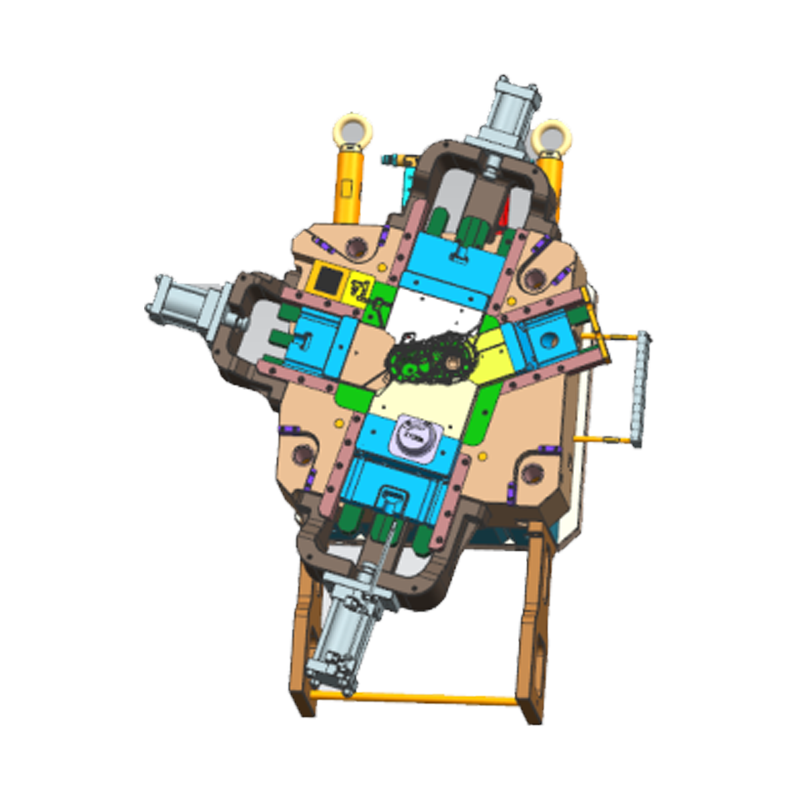
Aluminum die-casting gearbox mold the most critical requirements: 1. Material properties require hig...

Die casting transmission EM Side Housing mold is designed by JYD(Yunmai) for NIO transmission Rear H...

transmission rear Housing molds are foundational to the efficient and precise manufacturing of autom...
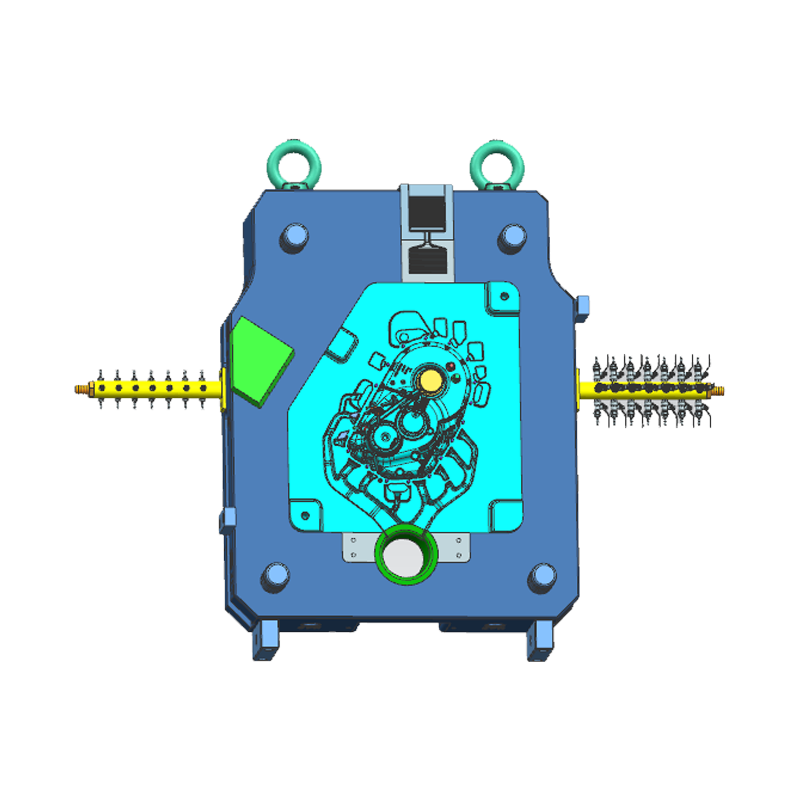
SERES transimission adopts complex cavity structure; high efficiency cooling system, the development...
Copyright © Ningbo Yunmai Precision Machinery Co., Ltd. All Rights Reserved
 OEM/ODM Die Casting/Cast Molds Manufacturers