


Cylinder Head seals combustion chamber, houses valves & spark plugs, forms coolant passages, wit...
Industry News
Home / News / Industry News / The Role of Other Aluminum Die Casting Autoparts Molds in Lightweight Vehicle Design
Content
In the modern automotive industry, lightweight design has become a crucial factor in achieving higher fuel efficiency, improved performance, and reduced emissions. As manufacturers strive to meet stringent environmental regulations and consumer expectations, the choice of materials and production processes plays a vital role. Among the most influential technologies driving this transformation are Other Aluminum Die Casting Autoparts Mold systems.
As a professional manufacturer and supplier of Other Aluminum Die Casting Autoparts Mold, we have witnessed how this technology contributes to producing durable, lightweight, and high-precision automotive components.
Reducing vehicle weight directly improves fuel efficiency. Lighter vehicles require less energy to accelerate, decelerate, and maintain speed, which translates into:
For electric vehicles (EVs), lightweight design enhances battery efficiency, extending driving range without increasing battery size.
Weight reduction also impacts vehicle dynamics. Lighter cars benefit from:
High-performance sports cars, luxury vehicles, and EVs particularly benefit from weight optimization.
Contrary to concerns, lightweight vehicles do not compromise safety. By strategically reducing weight using advanced materials and manufacturing processes, engineers maintain structural integrity while improving crash performance. Using aluminum and precise die-casting techniques ensures strong, lightweight components that meet safety standards.
An Other Aluminum Die Casting Autoparts Mold is a specialized mold used to produce aluminum components beyond typical transmission or engine parts. These molds are engineered to create high-quality, precise parts for various applications, including:
By using aluminum, these parts achieve a high strength-to-weight ratio. When manufactured with die-casting molds, they can be produced with tight tolerances, smooth surfaces, and complex geometries, making them ideal for lightweight vehicle design.
Aluminum provides an excellent combination of low weight and high strength. Components made from aluminum reduce the overall mass of a vehicle without sacrificing durability. This is critical in lightweight vehicle design, where every kilogram counts.
Aluminum dissipates heat effectively, making it suitable for components exposed to high temperatures, such as engine mounts, brake housings, and electric motor parts. Efficient thermal management enhances performance and reliability.
Aluminum naturally resists corrosion, extending component lifespan and reducing maintenance requirements. For automotive applications exposed to moisture, salts, or chemicals, corrosion resistance is a key advantage.
Aluminum is highly recyclable, making it a sustainable choice for environmentally conscious manufacturers. Using recycled aluminum in die-casting processes reduces energy consumption and supports circular economy initiatives.
Die casting is a manufacturing method in which molten aluminum is injected into a mold under high pressure. This process offers several benefits:
An Other Aluminum Die Casting Autoparts Mold is specifically designed to optimize this process. A high-quality mold ensures that every component meets exact specifications, which is crucial for performance-critical automotive parts.
Modern vehicles require components with tight tolerances to ensure proper fit and function. Other Aluminum Die Casting Autoparts Mold systems allow manufacturers to produce consistent parts with minimal deviations. This is critical for:
Precision molds reduce assembly errors and improve overall vehicle quality.
Lightweight design often involves intricate shapes that balance strength and weight. Die-casting molds enable complex geometries such as:
Traditional machining or forging methods may struggle to achieve these designs efficiently.
High-volume production is essential for automotive supply chains. Once an Other Aluminum Die Casting Autoparts Mold is created, it can produce thousands of components with consistent quality. This ensures scalability without compromising performance.
High-quality die-cast components often require minimal post-processing, such as machining or surface finishing. This saves time, reduces costs, and maintains tight tolerances essential for high-performance and lightweight vehicles.
Die-cast aluminum components can replace heavier steel parts in the chassis, suspension brackets, and subframes. Using Other Aluminum Die Casting Autoparts Mold, manufacturers can produce lightweight structural elements that maintain strength while reducing overall vehicle weight.
Brake housings, caliper mounts, and suspension brackets benefit from die-cast aluminum parts. Lightweight components reduce unsprung mass, improving handling, ride comfort, and braking performance.
EVs rely on lightweight materials to optimize battery efficiency. Components such as electric motor housings, inverter casings, and cooling system parts can be efficiently produced using Other Aluminum Die Casting Autoparts Mold, contributing to longer range and better performance.
Even outside traditional engine blocks and transmission parts, die-cast aluminum components help reduce weight in:
Lightweight die-cast components improve fuel efficiency and reduce emissions without compromising durability.
Producing high-quality Other Aluminum Die Casting Autoparts Mold requires expertise and advanced technology:
CAD and simulation software are used to design molds that optimize metal flow, cooling, and shrinkage. Proper design minimizes defects and ensures uniform quality.
Molds are made from high-strength steel alloys capable of withstanding high pressures and repeated thermal cycling. This guarantees long mold life and reliable production.
CNC machining and EDM (Electrical Discharge Machining) create accurate cavities and intricate geometries. High precision is essential to maintain tight tolerances for performance-critical components.
Every mold undergoes rigorous testing, including flow simulation, trial casting, and inspection. Any adjustments are made before full-scale production to ensure defect-free components.
One of the challenges in lightweight vehicle design is maintaining strength while reducing mass. Other Aluminum Die Casting Autoparts Mold enables:
The result is components that are both light and strong, meeting the demands of high-performance vehicles.
Lightweight aluminum die-cast components also support sustainability:
Manufacturers can achieve environmental goals while maintaining competitive production costs.
The demand for lightweight vehicles is expected to grow as consumers and regulators prioritize efficiency, performance, and sustainability. Future developments in Other Aluminum Die Casting Autoparts Mold technology may include:
These innovations will make die-cast aluminum components even more critical in automotive design.

Cylinder Head seals combustion chamber, houses valves & spark plugs, forms coolant passages, wit...

The camshaft bracket cover secures the camshaft position, seals oil channels to prevent leaks, block...
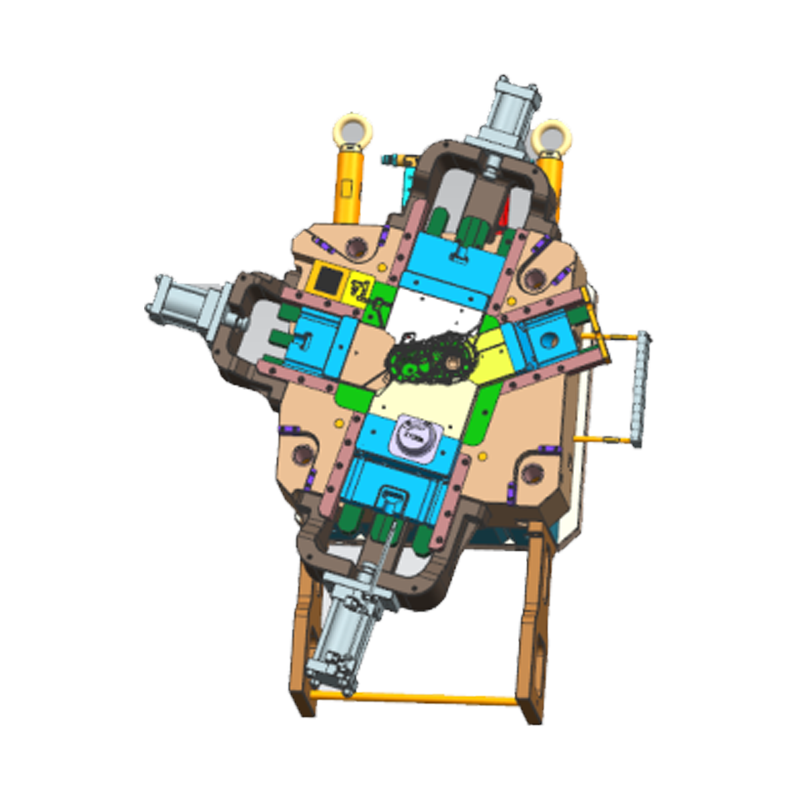
Aluminum die-casting gearbox mold the most critical requirements: 1. Material properties require hig...

Die casting transmission EM Side Housing mold is designed by JYD(Yunmai) for NIO transmission Rear H...

transmission rear Housing molds are foundational to the efficient and precise manufacturing of autom...
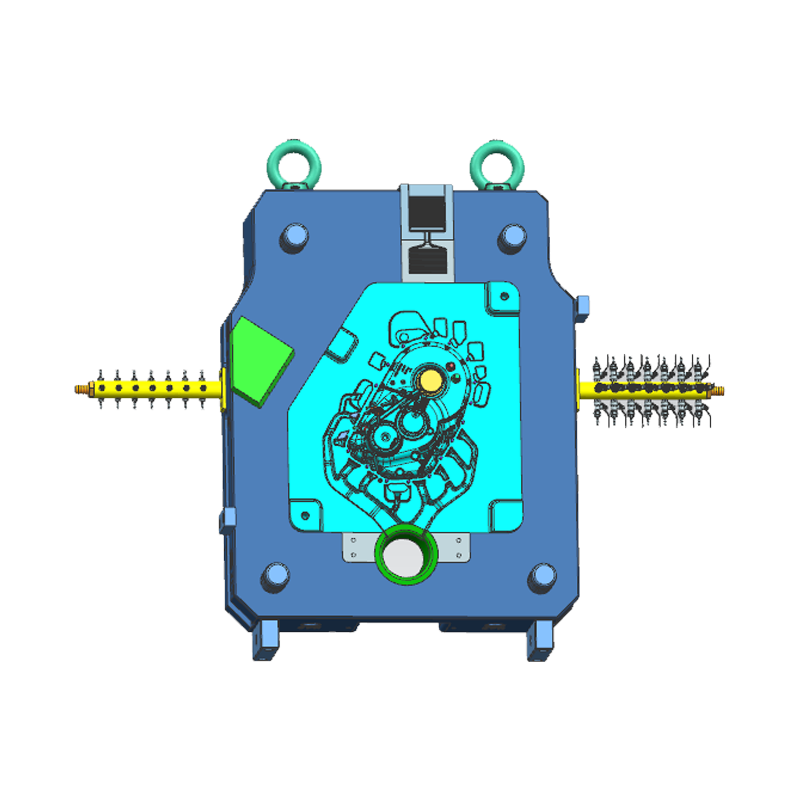
SERES transimission adopts complex cavity structure; high efficiency cooling system, the development...
Copyright © Ningbo Yunmai Precision Machinery Co., Ltd. All Rights Reserved
 OEM/ODM Die Casting/Cast Molds Manufacturers