


Cylinder Head seals combustion chamber, houses valves & spark plugs, forms coolant passages, wit...
Industry News
Home / News / Industry News / Automotive Die Castings: Aluminum Parts, Molds, and Sourcing Considerations
Content
A transmission housing that seeps during leak testing, or an oil pan that drifts out of tolerance halfway through a machining run, usually traces back to decisions made at the mold and the casting press - not on the assembly line. That is the practical reality of automotive die castings. In high-pressure die casting (HPDC), molten aluminum, magnesium, or zinc is injected into a hardened steel mold at 1,500 to 25,000 psi, producing near-net-shape parts in cycles measured in seconds. For vehicle programs needing thousands to millions of identical components, it remains the most economical route to complex, thin-walled metal parts - provided the alloy, the tooling, and the process window are specified correctly at the start.
The conclusion first: at automotive volumes, no other metalforming process combines shape complexity, wall thinness, and unit economics the way HPDC does. The advantages show up in four measurable characteristics:
The trade-offs are equally concrete. Sand casting and low-pressure casting win on tooling cost and heat-treatability for very large or low-volume parts, but their slower cycles and heavy finishing make them uncompetitive for the housings, covers, and brackets that vehicles consume in bulk. Die casting's known weakness - gas porosity from turbulent fill - must be managed through vacuum assistance, gate design, and machining allowances rather than avoided by switching processes.
Aluminum dominates automotive die casting because it balances weight, strength, corrosion resistance, and cost at the tonnages vehicle makers actually buy. Magnesium is roughly one-third lighter than aluminum and suits covers and interior structures where mass matters more than strength. Zinc is heavier but casts with sharp detail and long tool life, which is why it holds small hardware and electrical components. The practical differences:
| Alloy family | Approx. density (g/cm3) | Typical automotive parts | Practical notes |
|---|---|---|---|
| Aluminum (A380, ADC12) | 2.7 | Transmission housings, oil pans, cylinder heads, brackets, valve plates | Requires cold-chamber machines; excellent strength-to-weight; watch porosity near machined faces |
| Magnesium (AZ91D) | 1.8 | Steering components, instrument panel frames, covers | Lightest structural alloy; needs corrosion protection and careful melt handling |
| Zinc (Zamak 3/5) | 6.6 | Connectors, locks, seat hardware, small electrical parts | Hot-chamber casting; sharp detail and smooth as-cast surfaces; longer mold life |
One procurement note: switching alloys after tooling is designed is rarely free. Shrinkage rates, draft allowances, and gate geometry are tuned to the specified alloy, so locking the material callout before mold steel is cut avoids expensive rework.
Every automotive die casting starts with a machine choice. Aluminum and magnesium run on cold-chamber machines, where a ladle transfers molten metal into the shot sleeve because molten aluminum attacks the plungers used in hot-chamber equipment. Zinc runs on hot-chamber machines, whose faster cycles explain zinc's cost edge on small parts.
Within HPDC, three variables decide whether a casting survives machining and leak testing: the shot profile (plunger speed and the switch to intensification pressure), die temperature, and venting. Parts that must be heat treated or hold a vacuum - EV drive housings, for example - increasingly use vacuum-assisted HPDC to cut gas porosity. Where residual porosity still threatens a machined seal face, resin impregnation is a standard, accepted step rather than a sign of failure. The takeaway for buyers: write porosity acceptance criteria - X-ray classes, leak-test pressure, machining stock - into the drawing instead of negotiating them after the first shipment.
Follow the powertrain and chassis of a modern car or light truck and the same casting families repeat: transmission and e-drive housings, oil pans, valve plates, steering gear housings, cylinder heads, vacuum pumps, and electronic control boxes. All share traits that favor die casting - moderate size, complex internal geometry, sealed cavities, and annual volumes in the tens or hundreds of thousands.
Electrification has widened the list rather than replaced it. Hybrid and battery-electric drivetrains still need housings, cooling passages, and structural brackets, and gearboxes such as 8-speed automatics, CVTs, and light-truck hybrid units keep running high volumes alongside new EV reducers. A produced example of this part family:
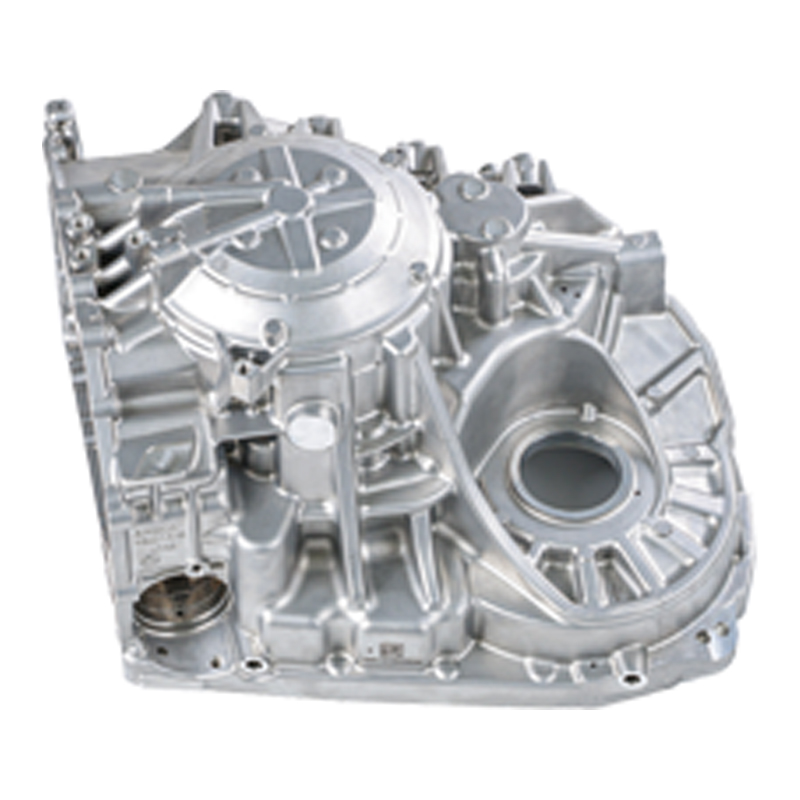 8-Speed Automatic Transmission Housing for Passenger VehiclesThis die-cast aluminum housing serves an 8AT transmission produced at up to 300K sets annually for Chery, EXEED, and Jetour SUV and car models, illustrating how traditional gearboxes keep running at high volume alongside EV drivetrains.View Product →
The full range of automotive cast components - transmission covers, steering gears, oil pans, and vacuum pumps - shows what one supplier can hold to consistent tolerances across a program:
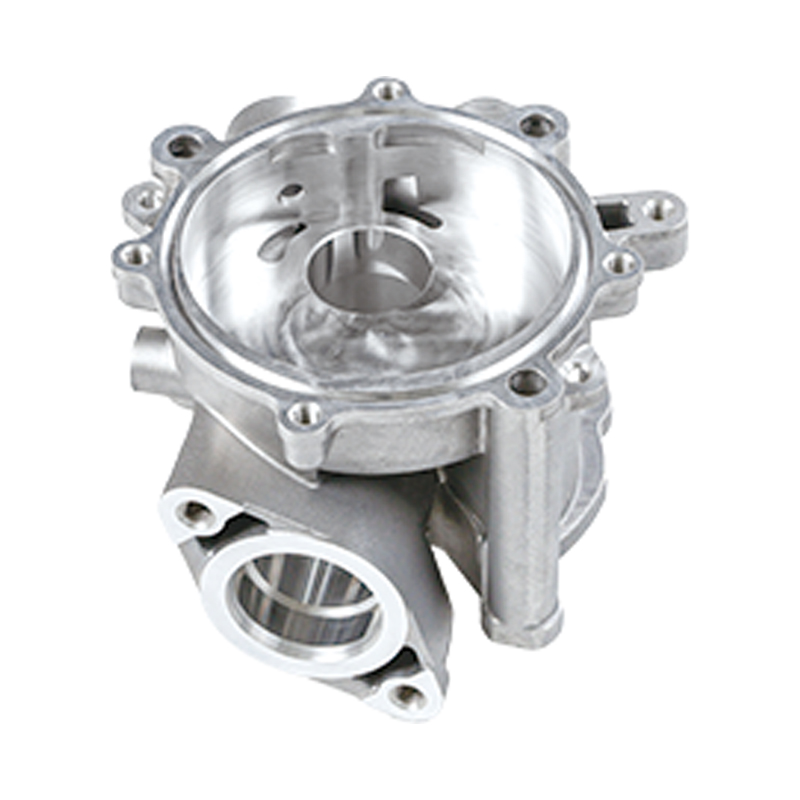 Automotive Aluminum Die-Casting Components Supplier RangeThe supplier lineup spans transmission covers, steering gears, oil pans, vacuum pumps, and hybrid and CVT housings, showing how one source can hold consistent tolerances across a full program of automotive cast parts.View Product →
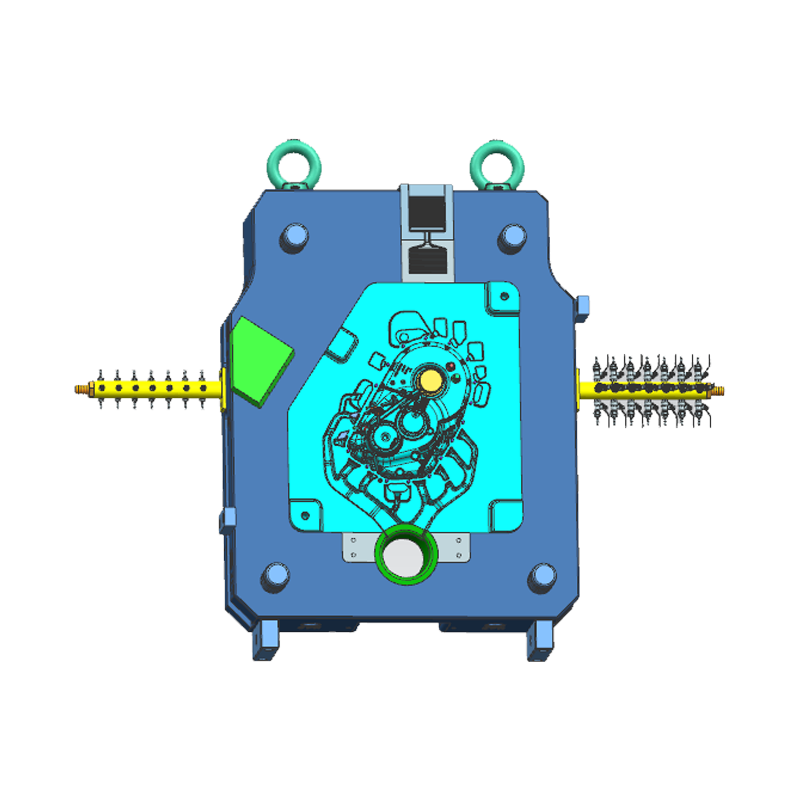
Here is the point buyers sometimes miss: in die casting, the mold is not a tool that makes parts - it is the part, replicated. Wall thickness, draft (typically 1-3 degrees), fillet radii, gate position, and vent depth are all frozen into the tooling. A cylinder head mold, for instance, must route cooling, manage slides for ports and water jackets, and survive heat checking - the surface cracking caused by thousands of thermal cycles:
 Aluminum Cylinder Head Die Casting Mold for ISUZU EnginesDesigned for ISUZU engines, this cylinder head mold routes cooling and manages thermal cycles while holding tight tolerances, making it a concrete example of tooling quality that determines casting life and program economics.View Product →
Three tooling facts drive program economics. First, steel and construction set life: a sound aluminum die casting mold delivers tens of thousands to well over a hundred thousand shots, and thin steel or simplified cooling returns as shortened life and mid-program repairs. Second, tooling sits on the critical path: complex automotive molds take weeks to months to design, cut, trial, and sample, so a mold quote is really a schedule promise. Third, mold and casting knowledge compound: when the same team designs the mold and pours the castings, feedback from shot trials and inspection reports lands directly on the tool design rather than being relayed through a third party. That closed loop is the main reason sourcing mold and castings together shortens development.
Most die casting disputes are avoidable at the RFQ stage. Put these six items on the table before comparing quotations:
Two risks deserve emphasis. A tooling quote far below the field usually means thinner steel, fewer slides, or simplified cooling - savings that come back as mold repairs. And a supplier who cannot explain how a leak-test specification will be met has designed the part but not yet the process.
To watch the inputs that move casting prices - alloy markets, EV program news, and process developments - the industry news section is a practical monitoring point.
Automotive die castings succeed or fail on three decisions: the alloy matched to the load and environment, the mold engineered for the volume and process window, and porosity criteria agreed before the first shot. Get those right and HPDC delivers housings and structural parts that machine cleanly, seal reliably, and hold cost at volume. For buyers sorting suppliers, the fastest filter is to look at the molds and castings a factory has shipped in your own industry and ask how the two were engineered together - the mold designs and casting families behind one such aluminum die casting factory are visible on its company overview page.

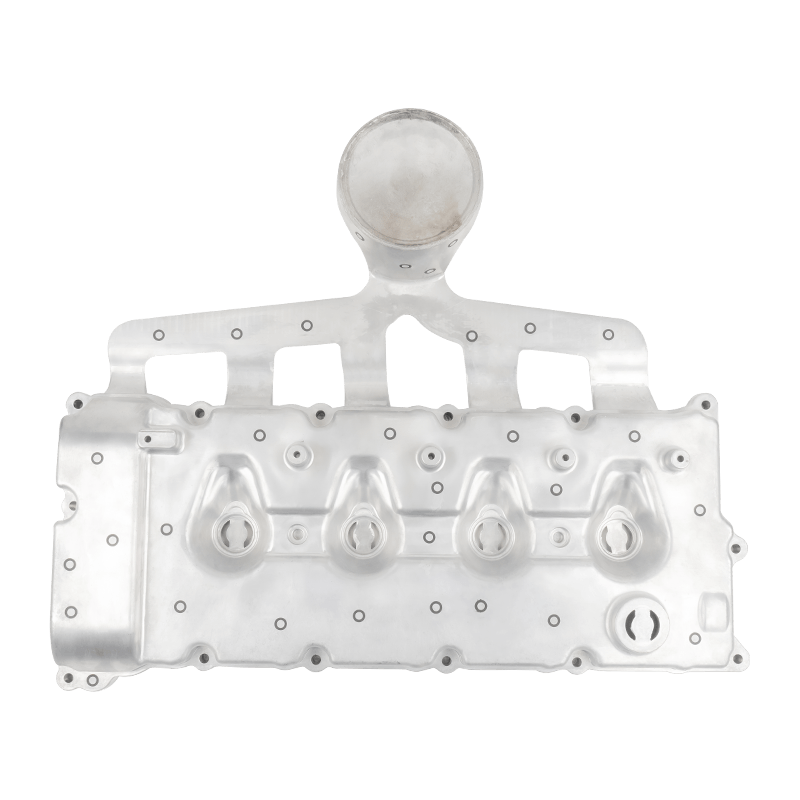
Cylinder Head seals combustion chamber, houses valves & spark plugs, forms coolant passages, wit...

The camshaft bracket cover secures the camshaft position, seals oil channels to prevent leaks, block...
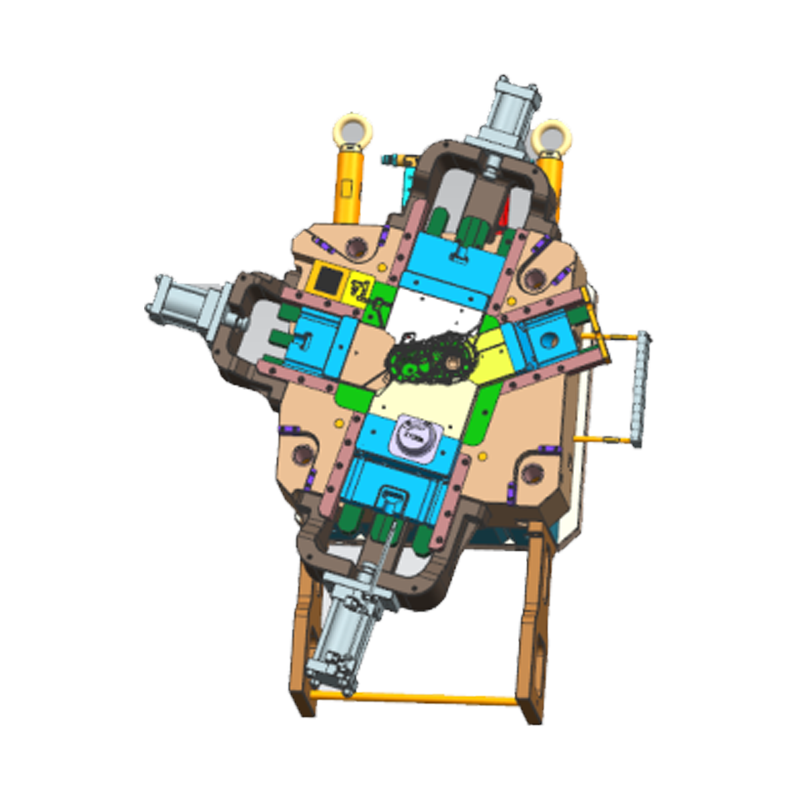
Aluminum die-casting gearbox mold the most critical requirements: 1. Material properties require hig...

Die casting transmission EM Side Housing mold is designed by JYD(Yunmai) for NIO transmission Rear H...

transmission rear Housing molds are foundational to the efficient and precise manufacturing of autom...
SERES transimission adopts complex cavity structure; high efficiency cooling system, the development...
Copyright © Ningbo Yunmai Precision Machinery Co., Ltd. All Rights Reserved
 OEM/ODM Die Casting/Cast Molds Manufacturers