


Cylinder Head seals combustion chamber, houses valves & spark plugs, forms coolant passages, wit...
Industry News
Home / News / Industry News / Die Cast & Die Cast Mold: A Practical Guide to Tooling, Types, and Design Essentials
Content
If you are sourcing aluminum die cast parts, the mold is where your project succeeds or fails. A die cast mold—also called a die cast tool—controls every critical aspect of the casting: dimensional accuracy, surface finish, internal soundness, cycle time, and ultimately the cost per part. Yet many buyers focus only on the casting price and overlook the tooling until problems appear. This guide walks through how die cast molds are built, the design decisions that matter, and the practical checks to make before you commit to a tooling supplier.
Die casting is a high-pressure metal forming process. Molten alloy, typically aluminum, magnesium, or zinc, is forced into a steel cavity at pressures that can exceed 1,500 bar. The cavity is defined by two hardened steel halves: the stationary (cover) die and the moving (ejector) die. When the metal cools and solidifies, the moving half retracts and the part is ejected.
The mold is not just a container. It must manage heat extraction, allow trapped air to escape, guide molten metal flow, and withstand repeated thermal and mechanical stress. A poorly designed mold will produce porosity, cold shuts, flash, or short fills. A well-designed mold, by contrast, runs consistently for tens or hundreds of thousands of cycles.
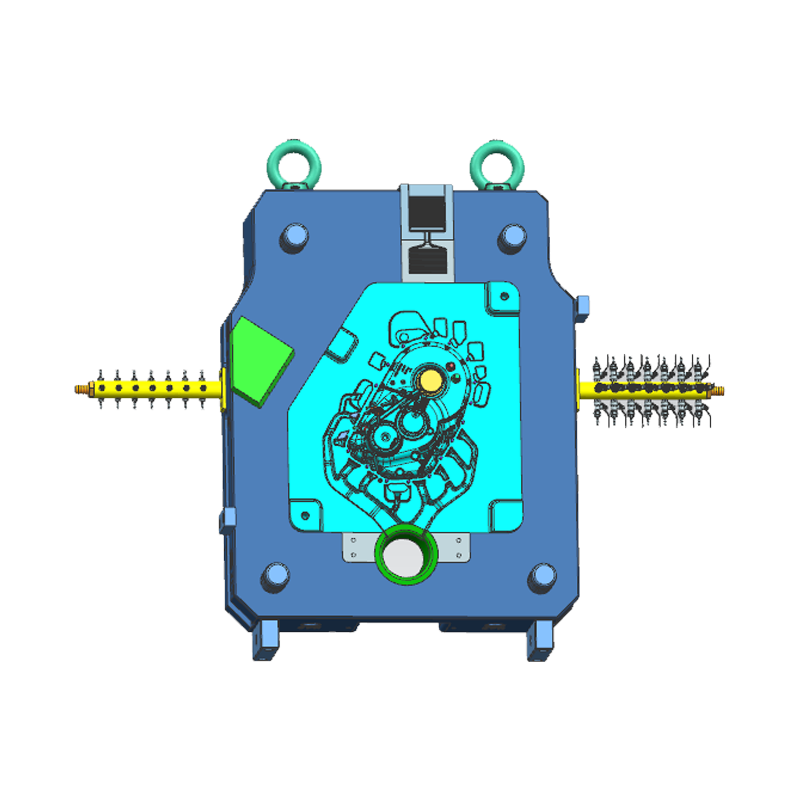
Every production die cast mold contains the same functional systems, though their layout changes with part geometry and casting machine size. Understanding these parts helps you discuss tooling problems with your supplier and evaluate quoted mold prices.
| System | What it does |
|---|---|
| Molding system | Forms the external and internal shape of the part through the cavity and core inserts. |
| Mold base | Holds the inserts together and mounts the mold on the die casting machine's platens. |
| Runner system | Delivers molten metal from the shot sleeve to the cavity through sprues and runners. |
| Overflow system | Captures cold and contaminated metal at the flow front before it fills the cavity. |
| Ejection system | Pushes the solidified casting out of the die using ejector pins or plates. |
| Cooling system | Controls die temperature with water lines to ensure even solidification and faster cycles. |
| Venting system | Allows air and gases to escape from the cavity during the high-speed injection phase. |
Each of these systems interacts with the others. For example, a runner design that creates turbulence will trap air, and even the best venting cannot fully compensate. That is why mold design is a specialized engineering task, not a machining job.
Tooling can be classified by its purpose and expected life. Prototype dies are often made from softer steel or aluminum and are used for a hundred parts or less. They validate basic geometry but not the full thermal behavior. Rapid tooling dies are a middle ground, offering a few thousand cycles. Production dies, also called permanent dies, are machined from hot-work tool steel such as H13 and are built for high-volume runs. Unit dies are interchangeable inserts within a common master die base, and trim dies are used to remove flash and gates after casting.
For most commercial projects, the decision comes down to a production die. It has a higher upfront price but delivers the lowest cost per piece and the highest repeatability. If you are planning more than 50,000 parts per year, a full production tool is almost always the right choice. Choose prototype tooling only when you still need to verify fit or function with a small sample.
Die cast mold design follows a set of proven rules. Ignoring them often leads to scrap, rework, or premature tool failure. Here are the most important ones:
A good mold designer will catch these issues during the initial design review, not after the tool is cut. This is why a DFM (design for manufacturing) analysis at the start saves both time and money.
The connection between tooling and part cost is often underestimated. A cheap mold made from lower-grade steel may run for a short time, but it will wear, corrode, and crack after tens of thousands of cycles. Then you face downtime for repairs, inconsistent dimensions, and more flash that requires trimming. The true cost of a mold is not its purchase price—it is the cost per good part over the mold's life.
Quality starts with the steel. Hot-work tool steel like H13 is standard for aluminum die casting molds, with a hardness around 44–48 HRC after heat treatment. The steel must also be polished and heat-treated to resist thermal fatigue. Cooling channel placement is another quality factor. A mold with poorly drilled water lines will overheat in specific zones, causing solder and erosion.
We have built aluminum die casting molds for automotive transmission housings, optical module housings, and electric motor housings. In each case, the most demanding requirement was consistent cooling. For example, an aluminum optical module housing mold must hold tight flatness and thin-wall tolerances that only balanced cooling can deliver. Similarly, an aluminum cylinder head mold has to manage complex internal core geometry and high-temperature loads. And for a aluminum motor housing mold, the challenge is removing heat rapidly enough to keep cycle times short while preventing porosity.
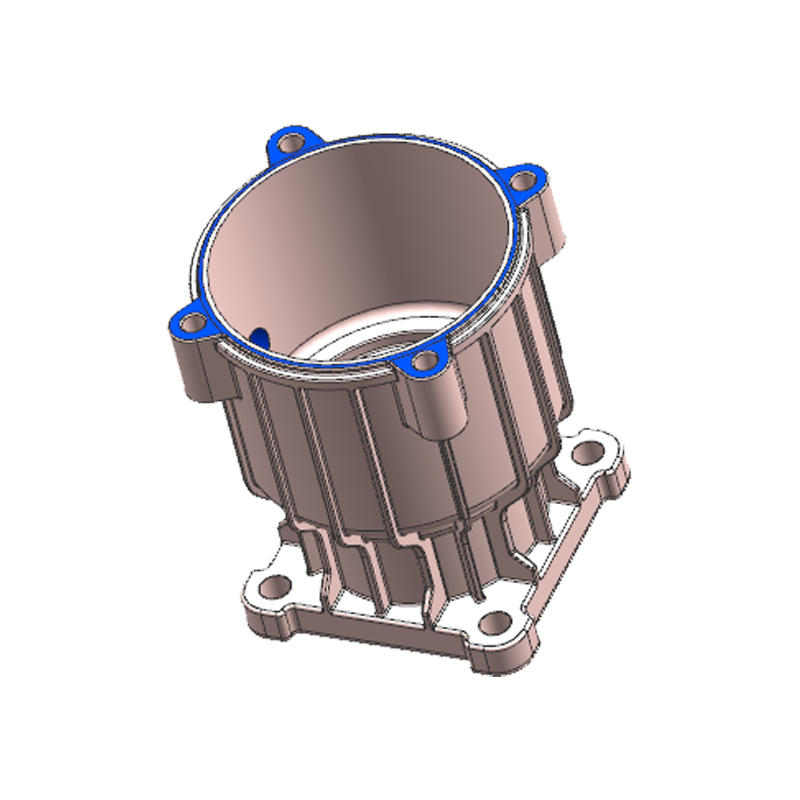 Custom Aluminum Motor Housing Mold Suppliers, FactoryNingbo Yunmai Precision Machinery Co., Ltd. is China custom Aluminum Motor Housing Mold suppliers and Aluminum Motor Housing Mold factory...View Product →
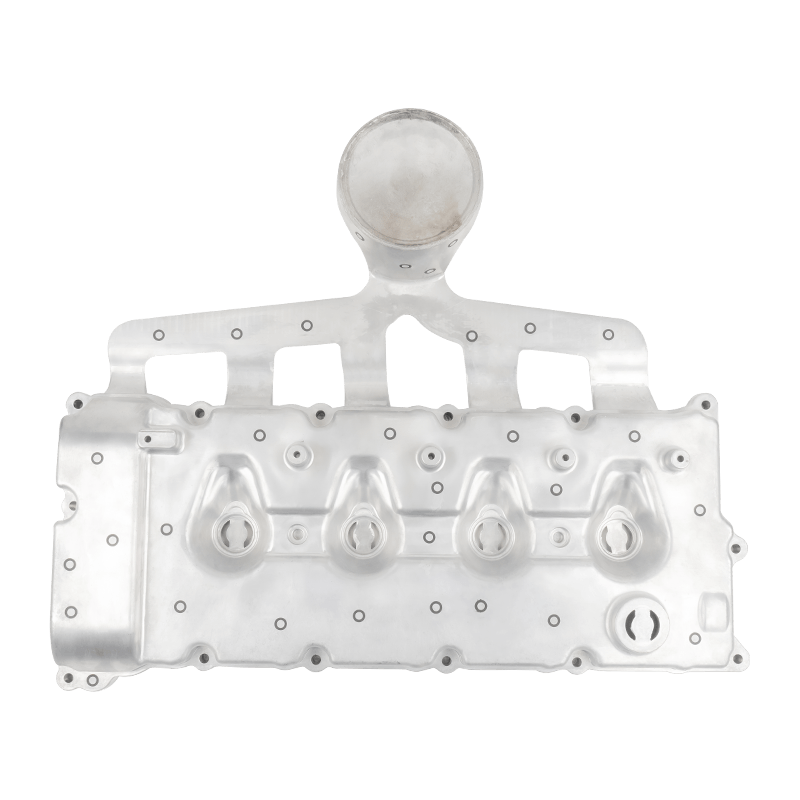 Custom Aluminum Cylinder head mold Suppliers, FactoryNingbo Yunmai Precision Machinery Co., Ltd. is China custom Aluminum Cylinder head mold suppliers and Aluminum Cylinder head mold factory...View Product →
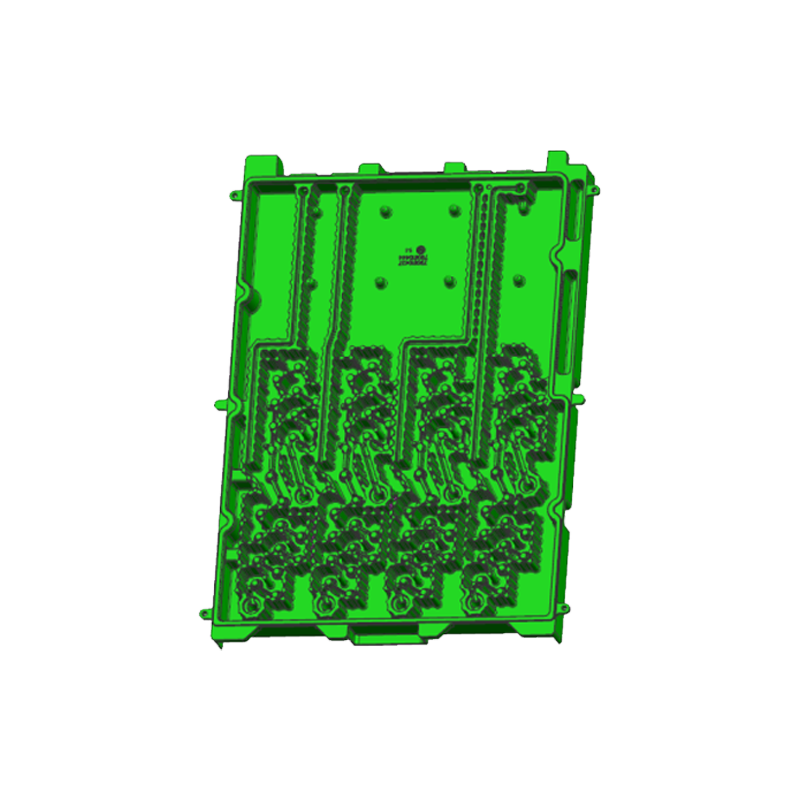 Custom Aluminum Optical Module Housing mold Suppliers, FactoryNingbo Yunmai Precision Machinery Co., Ltd. is China custom Aluminum Optical Module Housing mold suppliers and Aluminum Optical Module Ho...View Product →
If you are ready to source a die cast mold, here are the practical steps that prevent expensive surprises.
Remember that quoting a mold is not the same as quoting the casting. A low mold price may mean a less robust design, fewer cooling channels, or lower-grade steel. Instead, look at the total cost over the expected production volume. For more insights on industry practices, you can check our die casting industry news, and if you want to know how we work with customers from the first sketch to production, our company homepage describes the full scope of our aluminum die casting capabilities.
Die cast molds are a long-term investment. Spending time on design review, material selection, and cooling strategy pays off with stable production and lower part costs. Whether you are building a small bracket or a complex automotive housing, choose a mold partner who is willing to show you the details, not just the price.

Cylinder Head seals combustion chamber, houses valves & spark plugs, forms coolant passages, wit...

The camshaft bracket cover secures the camshaft position, seals oil channels to prevent leaks, block...
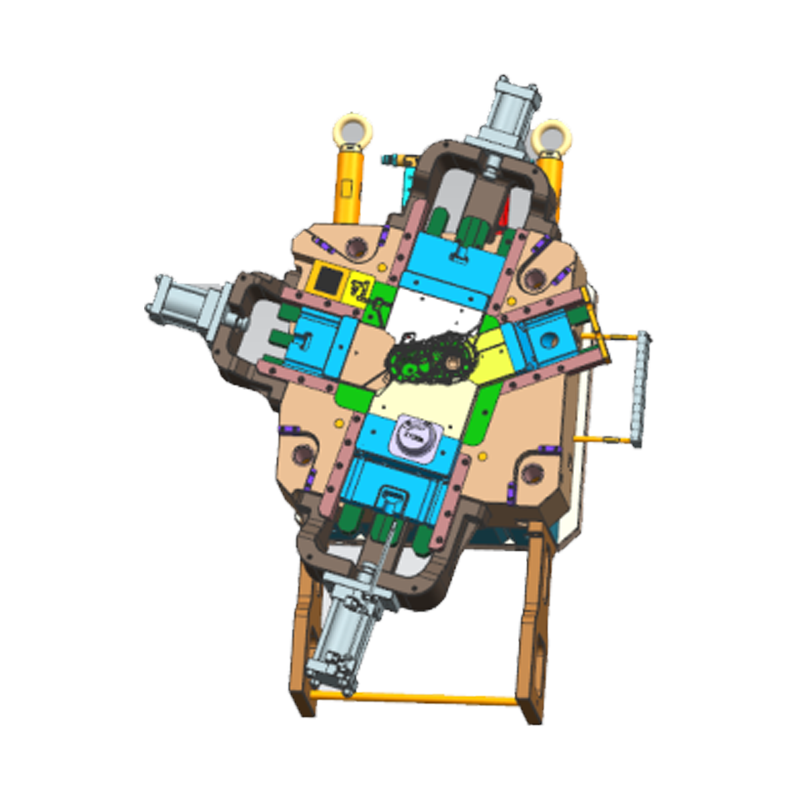
Aluminum die-casting gearbox mold the most critical requirements: 1. Material properties require hig...

Die casting transmission EM Side Housing mold is designed by JYD(Yunmai) for NIO transmission Rear H...

transmission rear Housing molds are foundational to the efficient and precise manufacturing of autom...
SERES transimission adopts complex cavity structure; high efficiency cooling system, the development...
Copyright © Ningbo Yunmai Precision Machinery Co., Ltd. All Rights Reserved
 OEM/ODM Die Casting/Cast Molds Manufacturers