


Cylinder Head seals combustion chamber, houses valves & spark plugs, forms coolant passages, wit...
Industry News
Home / News / Industry News / The Importance of High-Precision Molds in Aluminum Die Casting Lamp Components
Content
The global lighting industry has undergone a massive transformation over the last decade. As LED technology becomes the standard for everything from street lighting to high-end interior design, the demand for complex, durable, and aesthetically pleasing housings has skyrocketed. At the heart of this manufacturing revolution lies a critical but often overlooked hero: the aluminum die casting lamp components mold.
For manufacturers and purchasing managers, understanding the relationship between mold precision and the final product's quality is vital. A mold is not just a hollow cavity; it is a sophisticated piece of engineering that determines the efficiency, appearance, and functional lifespan of the lamp components it produces.
In the world of die casting, "precision" refers to the ability of the mold to consistently produce parts with minimal deviation from the original 3D CAD design. When we talk about an aluminum die casting lamp components mold, precision involves tight tolerances, perfect parting lines, and optimized cooling channels.
High-pressure die casting involves injecting molten aluminum into a steel mold at incredible speeds and pressures. If the mold is not built to high-precision standards, even a discrepancy of a few microns can lead to significant issues, such as "flash" (excess metal at the edges), porosity, or structural weaknesses in the lamp housing.
One of the most critical functions of an aluminum lamp housing—especially for LEDs—is heat dissipation. LEDs generate significant heat, and if that heat isn't managed, the light's lifespan will be cut short.
A high-precision aluminum die casting lamp components mold allows for the creation of extremely thin, high-density cooling fins. These fins increase the surface area of the component, allowing heat to escape more efficiently.
In the lighting industry, looks matter. Whether it is a sleek outdoor floodlight or a decorative indoor pendant, the surface must be smooth and ready for secondary treatments like powder coating, painting, or anodizing.
Low-quality molds often leave "drag marks," rough patches, or visible seams where the two halves of the mold meet. Correcting these defects requires extensive manual sanding, grinding, or machining, all of which add to the final cost per part.
A premium aluminum die casting lamp components mold is polished to a mirror finish and designed with the perfect "draft angle" (the slope that allows the part to be ejected easily). This results in a "near-net-shape" component that requires minimal post-production work, keeping the aesthetic integrity of the design intact.
Lamp components, particularly those used outdoors, must withstand wind, rain, and temperature fluctuations. The structural integrity of these parts is dictated by how the molten aluminum flows within the mold.
A high-precision mold features a scientifically designed gating and venting system. This ensures that the molten aluminum fills every corner of the cavity at the same time, preventing "cold shuts" (where two streams of metal meet but don't fuse perfectly). By optimizing the flow, manufacturers can use less raw material while producing a stronger, more reliable part.
Many buyers are tempted to choose the lowest-priced mold to save on upfront "tooling costs." However, in the die casting industry, the cheapest mold is often the most expensive in the long run.
A high-precision mold made from premium H13 or premium grade tool steel, properly heat-treated, can last for 100,000 to 150,000 "shots" (cycles). A cheaper, lower-precision mold may begin to crack (heat check) or deform after only 30,000 shots.
Modern lamp components are becoming increasingly complex. With the rise of "Smart City" infrastructure, lamp housings now need to incorporate compartments for sensors, Wi-Fi modules, and advanced driver electronics.
Designing an aluminum die casting lamp components mold for these parts requires:
Once you have a high-precision aluminum die casting lamp components mold, you must maintain it. A comprehensive maintenance program includes:
In the competitive world of lighting manufacturing, the difference between a market-leading product and a mediocre one often comes down to the quality of the tooling. A high-precision aluminum die casting lamp components mold is an investment in your brand’s reputation. It ensures that every part coming off the line is as perfect as the first, with the thermal properties, strength, and beauty that modern consumers expect.
By prioritizing precision in the mold-making stage, companies can reduce long-term costs, speed up their time-to-market, and deliver superior lighting solutions that stand the test of time.

Cylinder Head seals combustion chamber, houses valves & spark plugs, forms coolant passages, wit...

The camshaft bracket cover secures the camshaft position, seals oil channels to prevent leaks, block...
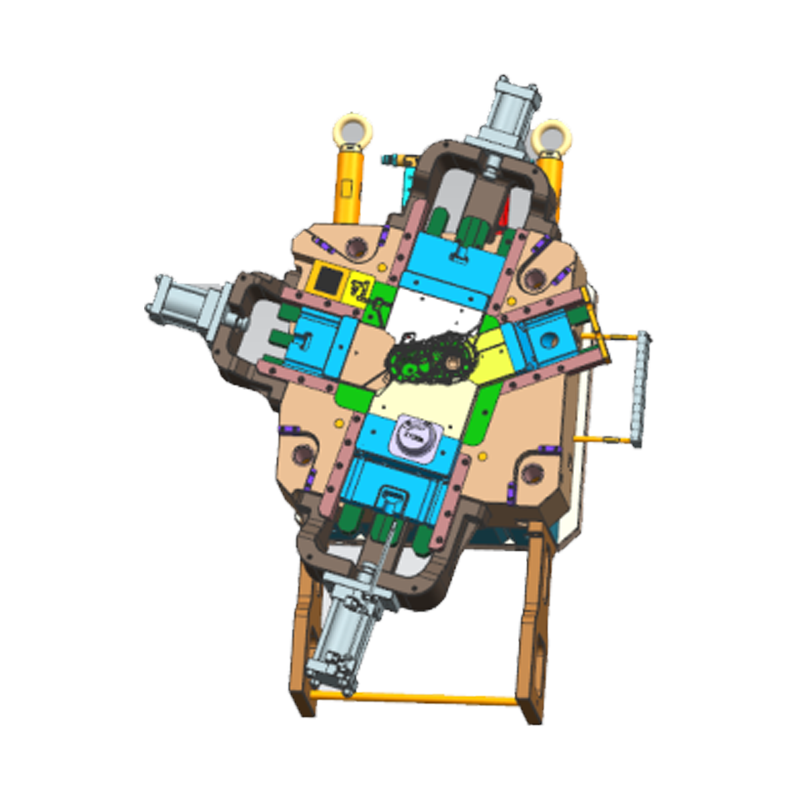
Aluminum die-casting gearbox mold the most critical requirements: 1. Material properties require hig...

Die casting transmission EM Side Housing mold is designed by JYD(Yunmai) for NIO transmission Rear H...

transmission rear Housing molds are foundational to the efficient and precise manufacturing of autom...
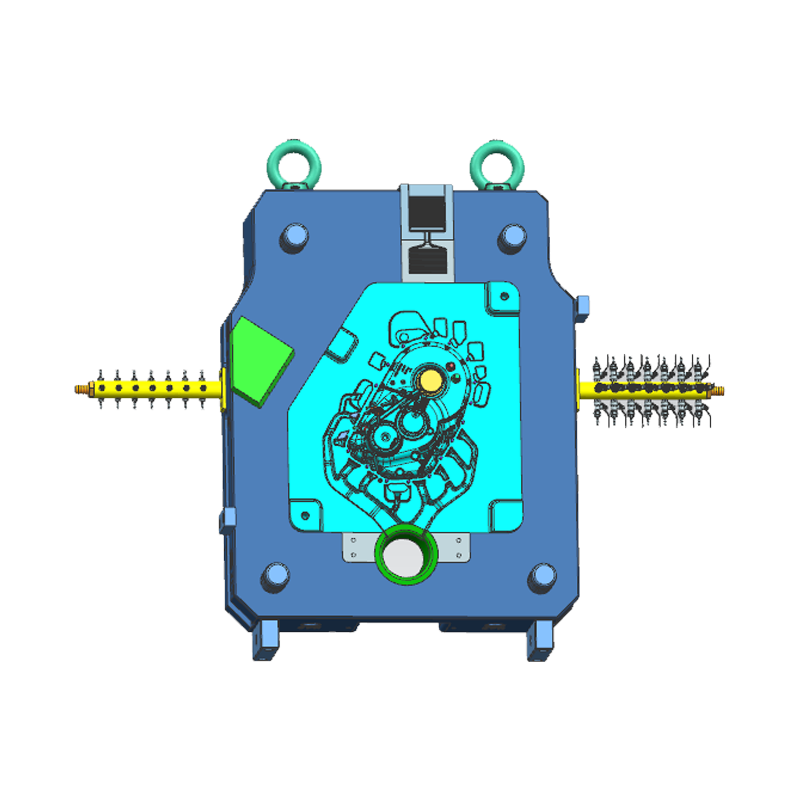
SERES transimission adopts complex cavity structure; high efficiency cooling system, the development...
Copyright © Ningbo Yunmai Precision Machinery Co., Ltd. All Rights Reserved
 OEM/ODM Die Casting/Cast Molds Manufacturers