


Cylinder Head seals combustion chamber, houses valves & spark plugs, forms coolant passages, wit...
Content
Manufacturing industries around the world are constantly looking for ways to improve efficiency, reduce costs, and maintain high-quality standards. One of the most significant innovations in achieving these goals is the aluminum die casting process. Aluminum die cast molds have become a cornerstone of modern manufacturing due to their ability to produce high-precision parts quickly and at a relatively low cost.
Aluminum die casting is a process in which molten aluminum is injected into a steel mold under high pressure. The mold is designed to form the shape of the part being produced, and once the aluminum cools, the mold is opened, and the part is removed. Aluminum die cast molds are made of durable steel or other alloys that can withstand the high pressure and temperatures involved in the casting process.
These molds are often designed for high-volume production, making them ideal for creating large numbers of identical or similar parts quickly and efficiently. The molds themselves are durable and can be reused many times, which contributes significantly to the overall cost-effectiveness of the process.
One of the key ways aluminum die cast molds help reduce manufacturing costs is by lowering labor expenses. Traditional manufacturing methods, such as manual machining or hand assembly, often require significant amounts of labor, which increases both the time and cost of production.
In contrast, the aluminum die casting process is highly automated. Once the mold is designed and created, the production process can be carried out with minimal human intervention. Automated systems handle the injection of aluminum, cooling, and removal of the cast part. This reduces the need for skilled labor and lowers overall labor costs, making aluminum die casting an efficient and cost-effective option for manufacturers.
The speed of production is another critical factor in reducing manufacturing costs. Aluminum die casting is one of the fastest methods of producing metal parts, especially when compared to other processes like machining or forging. Once the aluminum die cast mold is made, each cycle of the casting process can be completed in just a few minutes.
As a result, manufacturers can produce more parts in less time, reducing the cost per unit and increasing overall productivity.
In traditional manufacturing methods, material waste can account for a significant portion of the production cost. For example, in processes like machining or stamping, material is often removed or discarded to create the final shape of the part, leading to inefficiency and higher material costs.
In contrast, aluminum die casting is a near-net-shape process, meaning the final product requires little to no machining or finishing. The process uses a precise amount of aluminum, minimizing waste and reducing material costs. Additionally, any excess material (e.g., sprues, runners, and gates) from the die casting process can be easily recycled and reused, which further reduces material waste and lowers overall costs.
Aluminum die cast molds are known for their ability to produce highly precise and consistent parts. The precision of the die casting process ensures that parts come out of the mold with tight tolerances and smooth surfaces. As a result, the need for post-processing steps such as machining, sanding, or polishing is significantly reduced or eliminated.
By reducing the amount of post-processing required, manufacturers can save on labor and machine time, both of which contribute to lower overall production costs.
While the initial cost of creating an aluminum die cast mold can be high, these molds are highly durable and can be used for many thousands of cycles before they need to be replaced. The longevity of the mold means that manufacturers can produce large quantities of parts over an extended period without incurring additional mold costs.
The high durability of these molds provides a significant return on investment, making them a cost-effective solution for mass production runs.
In addition to reducing material waste and post-processing, aluminum die casting minimizes the need for complex tooling or secondary operations. In other manufacturing methods, such as machining or injection molding, additional tooling is often required to achieve the desired part features, which increases production costs.
Aluminum die casting molds, on the other hand, are designed to incorporate complex geometries and features directly into the casting, eliminating the need for secondary operations or additional tooling. This can save manufacturers a significant amount of money, as they don’t need to invest in extra tools or equipment to create the final part.
By eliminating these additional steps, manufacturers can simplify the production process and reduce both time and costs.
The use of aluminum in die casting provides several material advantages, including high strength-to-weight ratios and good corrosion resistance. These material properties can reduce the need for additional treatments or coatings, further lowering costs.
Perhaps the most significant advantage of aluminum die casting is its cost-effectiveness for high-volume production. Once the mold is created, the cost per unit decreases dramatically as production volumes increase. This makes aluminum die casting an ideal solution for industries requiring large quantities of parts, such as automotive, electronics, and consumer goods.
The cost-effectiveness of aluminum die casting in high-volume production is one of the primary reasons why many manufacturers choose this process for producing parts at scale. The combination of speed, precision, and low material waste results in economies of scale, where the per-unit cost decreases as production increases.

Cylinder Head seals combustion chamber, houses valves & spark plugs, forms coolant passages, wit...

The camshaft bracket cover secures the camshaft position, seals oil channels to prevent leaks, block...
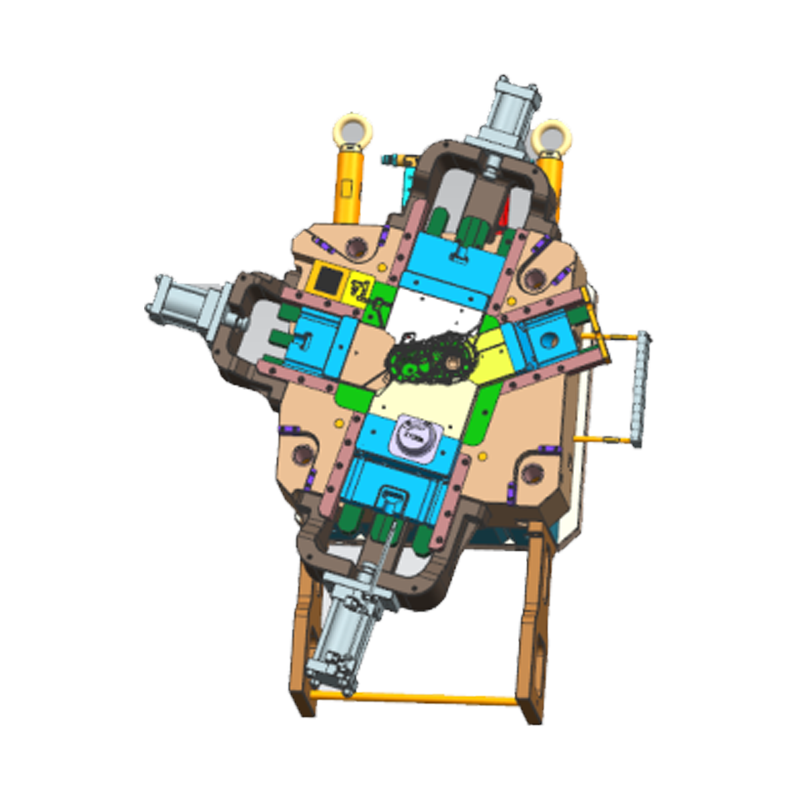
Aluminum die-casting gearbox mold the most critical requirements: 1. Material properties require hig...

Die casting transmission EM Side Housing mold is designed by JYD(Yunmai) for NIO transmission Rear H...

transmission rear Housing molds are foundational to the efficient and precise manufacturing of autom...
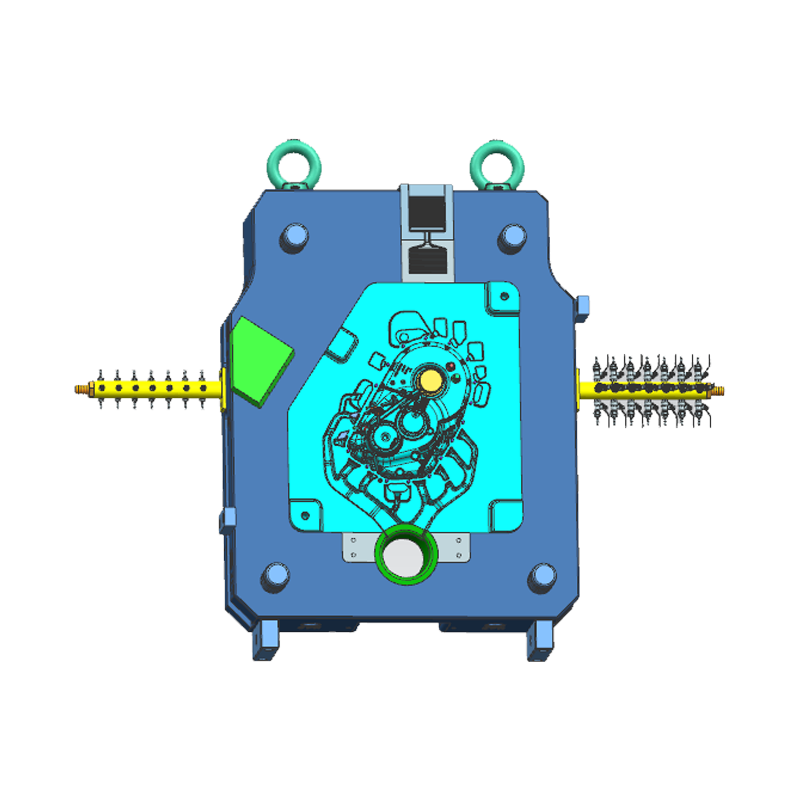
SERES transimission adopts complex cavity structure; high efficiency cooling system, the development...
Copyright © Ningbo Yunmai Precision Machinery Co., Ltd. All Rights Reserved
 OEM/ODM Die Casting/Cast Molds Manufacturers