


Cylinder Head seals combustion chamber, houses valves & spark plugs, forms coolant passages, wit...
Industry News
Home / News / Industry News / The Ultimate Guide to Choosing the Right Aluminum Die Casting Machinery Mold
Content
Aluminum die casting is a widely used manufacturing process in industries such as automotive, aerospace, and electronics. The precision, durability, and lightness of aluminum make it ideal for producing high-quality components. However, selecting the right aluminum die casting machinery mold is crucial to ensure optimal production efficiency and product quality.
Aluminum die casting is a process where molten aluminum is injected into a mold under high pressure. This technique allows for the production of complex shapes with fine details, high strength, and low weight. It’s an efficient and cost-effective method that is commonly used to manufacture parts for the automotive, aerospace, and electronics industries.
Choosing the wrong mold can result in poor-quality components, high production costs, and longer lead times. The right mold will not only improve the overall quality of your products but also enhance manufacturing efficiency, reduce waste, and minimize defects. The selection process involves various factors such as material properties, mold design, and cost considerations.
The design of your aluminum die casting machinery mold plays a significant role in the quality of the finished product. A complex mold may require more precise design and additional steps in the manufacturing process, but it can also enable the creation of intricate parts with high accuracy. Ensure that the mold design aligns with the features and geometry of the parts you need to cast.
Aluminum die casting molds are typically made from high-grade steel alloys due to their durability and resistance to wear and tear. The choice of steel alloy should be based on the expected lifespan of the mold and the type of aluminum alloys being used. For high-volume production, molds made from stronger, more heat-resistant materials are necessary to withstand the stress and pressure of repeated use.
The longevity of an aluminum die casting mold is an essential factor to consider. Molds are subject to high temperatures and constant wear, so choosing a mold with good durability is crucial for reducing maintenance costs and downtime. Look for molds that are resistant to corrosion and abrasion. Regular maintenance can also extend the mold’s lifespan and ensure consistent production quality.
Effective cooling is a vital component of aluminum die casting. The cooling system within the mold determines the solidification rate of the molten aluminum, which in turn affects the overall casting quality. Molds with advanced cooling channels help improve the consistency and quality of the parts by ensuring uniform temperature distribution during the cooling process.
Different applications require different tolerances and surface finishes. For example, precision components used in the aerospace industry need to meet stricter tolerance standards and surface quality. When choosing a mold, consider the final part’s intended use and whether it requires fine surface finishes, minimal post-processing, or tighter tolerances.
Consider the expected production volume and the lead time for your project. For high-volume production, selecting a mold with better durability and quicker cycle times will help optimize efficiency. However, if your production requirements are low or you need to create prototypes, a less complex and less expensive mold may be suitable. Also, ensure that the mold’s lead time aligns with your production schedule.
The cost of an aluminum die casting machinery mold can vary greatly depending on the complexity, materials, and size. It is essential to balance your budget with the performance and longevity of the mold. Investing in high-quality molds may result in higher upfront costs, but they can save money in the long run by reducing defects and increasing production efficiency.
Single cavity molds are used to produce one part at a time. These molds are ideal for low to medium-volume production and are typically simpler and less expensive. However, the downside is that they may not be as cost-effective for high-volume production due to the slower cycle times.
Multi-cavity molds are designed to produce multiple parts in a single cycle. These molds are more efficient for high-volume production as they can produce several parts at once, reducing cycle times and labor costs. However, they tend to be more complex and require more precise design and manufacturing.
In cold chamber die casting, the molten aluminum is transferred from a separate furnace into the chamber where it is injected into the mold. This method is used for high-alloy materials or when high temperatures are required. Cold chamber molds are ideal for producing high-quality aluminum castings, though they are typically used for specific applications like automotive parts.
Hot chamber die casting involves injecting molten metal directly from the furnace into the die cavity. This technique is typically used for low-melting point metals like zinc but can also be applied to aluminum in certain circumstances. Hot chamber molds offer faster cycle times, making them suitable for mass production.
With the rise of Industry 4.0, automation is becoming an integral part of the aluminum die casting process. Smart molds equipped with sensors can monitor temperature, pressure, and cooling rates in real-time, enabling manufacturers to detect issues early and optimize production. This technology can improve mold performance, reduce defects, and enhance product quality.
The trend toward using lightweight materials in various industries, especially the automotive and aerospace sectors, is driving the development of more advanced aluminum alloys and die casting techniques. Molds designed to handle these materials must be able to maintain precision and durability despite the lighter, more sensitive metals being used.

Cylinder Head seals combustion chamber, houses valves & spark plugs, forms coolant passages, wit...

The camshaft bracket cover secures the camshaft position, seals oil channels to prevent leaks, block...
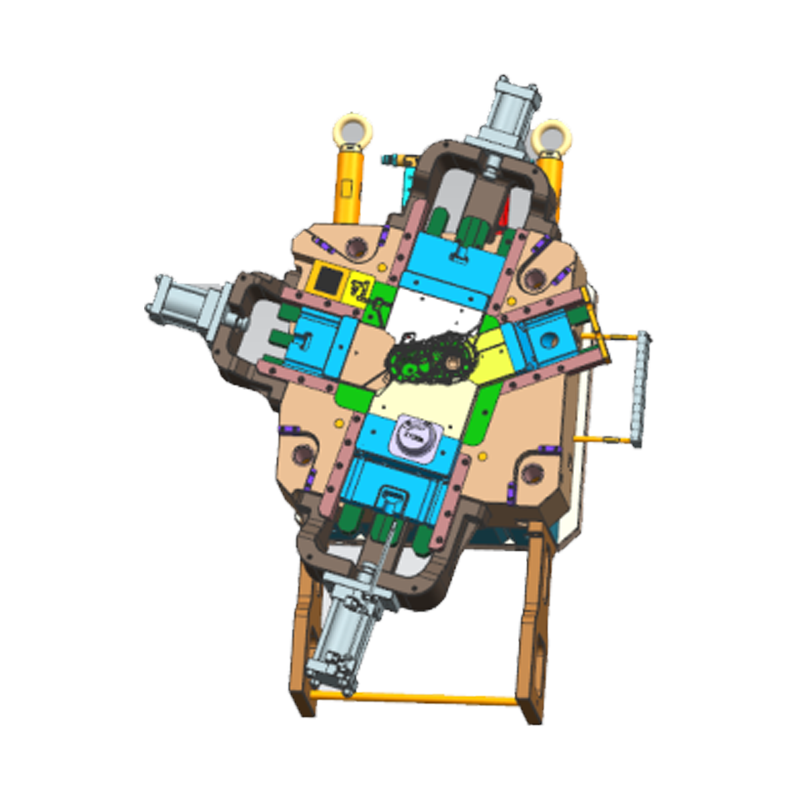
Aluminum die-casting gearbox mold the most critical requirements: 1. Material properties require hig...

Die casting transmission EM Side Housing mold is designed by JYD(Yunmai) for NIO transmission Rear H...

transmission rear Housing molds are foundational to the efficient and precise manufacturing of autom...
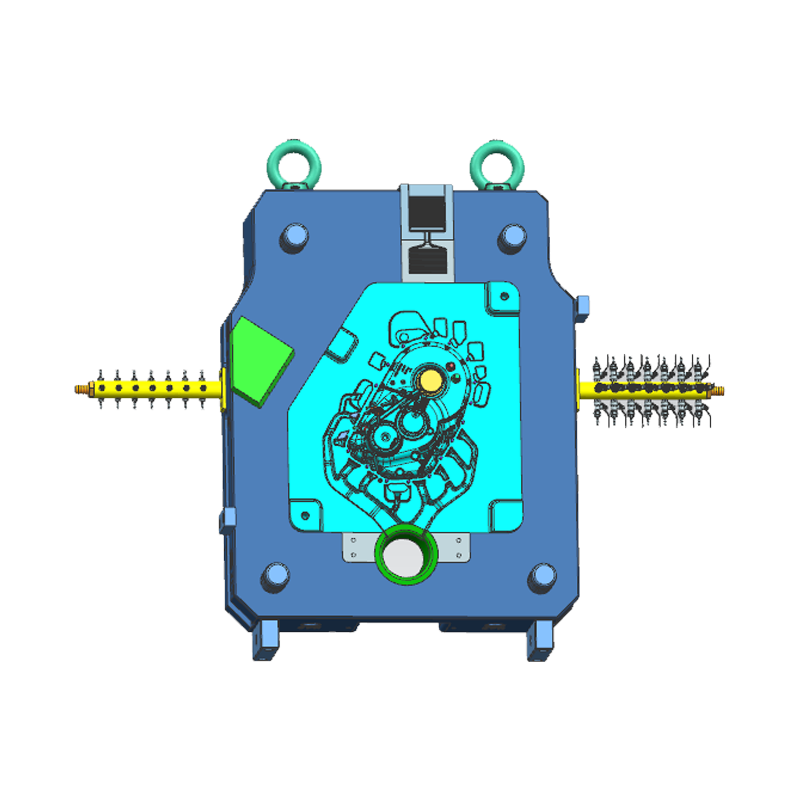
SERES transimission adopts complex cavity structure; high efficiency cooling system, the development...
Copyright © Ningbo Yunmai Precision Machinery Co., Ltd. All Rights Reserved
 OEM/ODM Die Casting/Cast Molds Manufacturers