


Cylinder Head seals combustion chamber, houses valves & spark plugs, forms coolant passages, wit...
Industry News
Home / News / Industry News / Applications of Magnesium Die Cast Molds in High-Precision Component Manufacturing
Content
In recent years, the manufacturing industry has increasingly focused on improving product quality while reducing production costs and lead times. One key area of development is the use of magnesium die cast molds in the production of high-precision components. Magnesium, known for its low density, high strength-to-weight ratio, and excellent thermal conductivity, has become an attractive material for die casting applications, particularly where precision and consistency are critical.
Magnesium die cast molds are specialized molds used in the die casting process, where molten magnesium alloys are injected into a mold under high pressure. The rapid solidification of magnesium alloys allows manufacturers to produce components with excellent dimensional accuracy and fine surface finishes. Compared to traditional materials like steel or aluminum, magnesium offers several advantages that make it suitable for high-precision manufacturing.
First, magnesium's lightweight nature reduces the overall weight of molds, making them easier to handle and maintain. This is particularly beneficial in automated production lines where frequent mold changes are required. Second, magnesium's high thermal conductivity allows for faster heat dissipation during the casting process, reducing cycle times and minimizing defects caused by uneven cooling. Finally, magnesium molds can achieve high dimensional stability, ensuring consistent production of components that meet strict tolerances.
The automotive industry is one of the largest adopters of magnesium die cast molds for high-precision components. Modern vehicles demand parts that are not only lightweight but also durable and precise. Magnesium die casting allows manufacturers to produce complex geometries, such as engine housings, transmission cases, and structural components, with minimal post-processing.
High-precision components in engines and transmissions benefit from the dimensional accuracy provided by magnesium die cast molds. For example, engine blocks require tight tolerances to ensure proper alignment of moving parts and efficient performance. The ability of magnesium molds to maintain these tolerances during large-scale production contributes to improved engine reliability and reduced manufacturing costs.
In addition to structural components, magnesium die casting is used to produce lightweight brackets, housings, and interior frames. The combination of low weight and high strength supports overall vehicle efficiency, contributing to better fuel economy and lower emissions.
The aerospace industry also leverages magnesium die cast molds to produce high-precision components. Aircraft components must meet stringent safety and performance standards, and lightweight materials are essential to reduce fuel consumption. Magnesium die casting enables the production of components such as control panels, electronic housings, and structural fittings that require precise dimensions and consistent quality.
In aerospace applications, even minor deviations in component dimensions can affect assembly, performance, and safety. Magnesium die cast molds offer the stability and repeatability needed to meet these strict requirements. Furthermore, the lightweight nature of magnesium components reduces overall aircraft weight, contributing to operational efficiency and environmental sustainability.
High-precision magnesium die casting is not limited to automotive and aerospace sectors. The electronics industry benefits from magnesium molds in producing housings for laptops, smartphones, and other consumer devices. Magnesium alloys provide excellent thermal conductivity, helping to dissipate heat from electronic components efficiently.
In addition, magnesium die cast molds allow for the production of intricate designs and thin-walled structures that are difficult to achieve with traditional manufacturing methods. The combination of lightweight material and precision casting ensures that electronic devices remain durable while maintaining a sleek design.
Consumer products such as cameras, power tools, and small appliances also utilize magnesium die cast components. The ability to produce complex shapes with consistent dimensions enhances product quality and reduces assembly errors.
The adoption of magnesium die cast molds for high-precision components offers several notable advantages:
These benefits contribute to overall efficiency and cost savings for manufacturers, particularly in sectors where high-precision and repeatability are essential.
The demand for magnesium die cast molds is expected to grow as industries continue to pursue lightweight and high-performance components. Automotive manufacturers are increasingly integrating magnesium alloys to meet fuel efficiency and emissions targets. Similarly, aerospace companies are exploring magnesium-based components to achieve weight reduction without compromising safety or performance.
Technological advancements, such as computer-aided mold design and precision casting techniques, have further enhanced the capabilities of magnesium die cast molds. Innovations in mold coatings and alloy formulations also extend the lifespan of molds and improve casting quality. These developments are driving broader adoption across industries that rely on high-precision components.
Moreover, sustainability is becoming an important factor in manufacturing decisions. Magnesium is recyclable and requires less energy to process compared to some other metals, aligning with the goals of eco-friendly production. As environmental regulations tighten and consumer demand for sustainable products increases, magnesium die cast molds are likely to play a growing role in manufacturing strategies.
Despite its advantages, magnesium die casting also presents certain challenges. Magnesium is highly reactive and can be prone to oxidation if not handled properly. Manufacturers must implement strict safety protocols and use protective coatings to ensure safe and reliable production.
In addition, the initial cost of magnesium molds may be higher than traditional materials. However, the long-term benefits, such as reduced cycle times, lower component weight, and improved precision, often offset these upfront investments.
Design considerations are also critical. Engineers must account for shrinkage, thermal expansion, and mold wear when developing magnesium die cast molds. Advanced simulation tools and testing procedures help optimize mold design and prevent defects.

Cylinder Head seals combustion chamber, houses valves & spark plugs, forms coolant passages, wit...

The camshaft bracket cover secures the camshaft position, seals oil channels to prevent leaks, block...
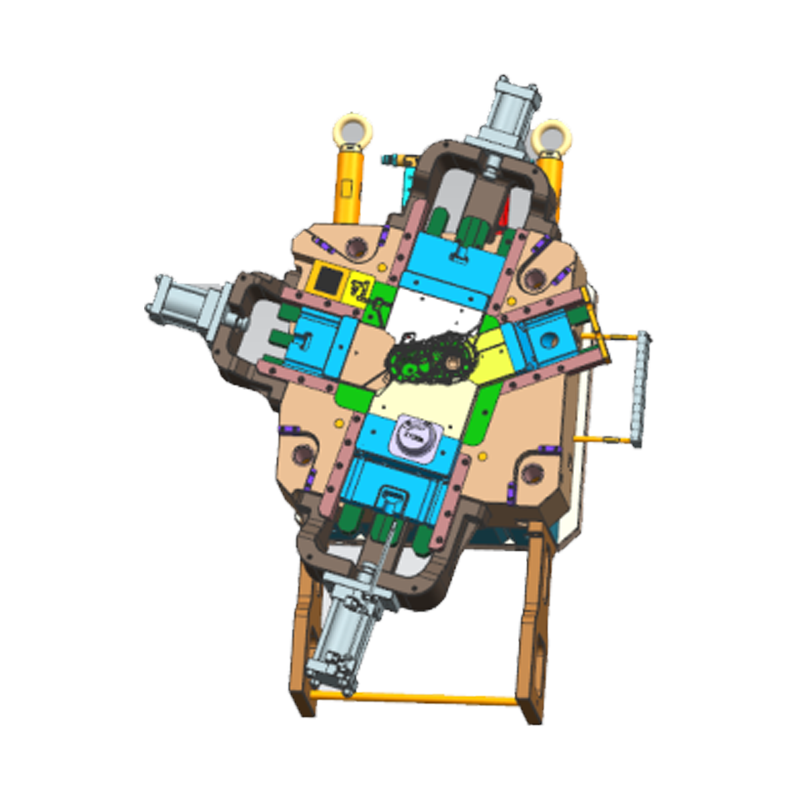
Aluminum die-casting gearbox mold the most critical requirements: 1. Material properties require hig...

Die casting transmission EM Side Housing mold is designed by JYD(Yunmai) for NIO transmission Rear H...

transmission rear Housing molds are foundational to the efficient and precise manufacturing of autom...
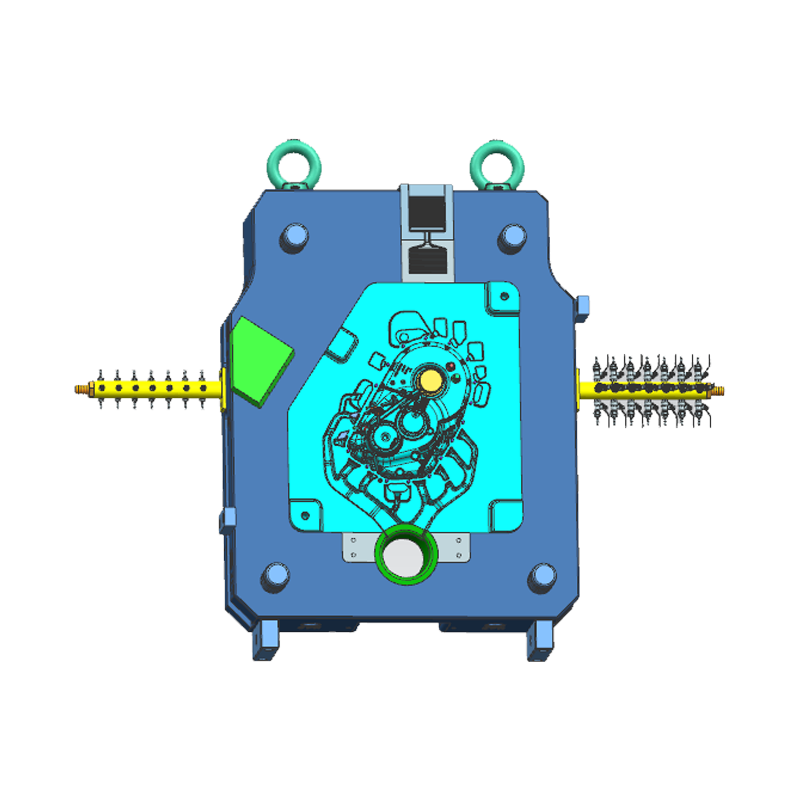
SERES transimission adopts complex cavity structure; high efficiency cooling system, the development...
Copyright © Ningbo Yunmai Precision Machinery Co., Ltd. All Rights Reserved
 OEM/ODM Die Casting/Cast Molds Manufacturers