


Cylinder Head seals combustion chamber, houses valves & spark plugs, forms coolant passages, wit...
Industry News
Home / News / Industry News / Magnesium Alloy Die Castings: Process, Properties, and Mold Design Essentials
Content
Magnesium alloy die castings are the most direct answer when a structural metal component has to lose weight without sacrificing stiffness, dimensional accuracy, or thermal performance. Magnesium is the lightest structural metal in industrial use at about 1.74 g/cm³, which makes it roughly one-third lighter than aluminum. A correctly designed magnesium die cast mold can hold wall sections below 1.5 mm and still produce castings with tensile strengths in the 200 to 230 MPa range. The alloy alone, however, does not guarantee a good part; the mold design, process window, and the die caster's engineering experience determine whether the project runs smoothly or turns into scrap.
Magnesium alloy die casting is a high-pressure process that injects molten magnesium into a hardened steel cavity at high velocity. Injection pressures commonly range from 10 to 70 MPa, and the cavity fills in milliseconds, which is how thin ribs, mounting bosses, and complex internal geometry can be cast instead of machined.
Most medium and small magnesium parts run on hot-chamber machines, where the injection system remains submerged in the molten alloy, keeping the metal at a stable temperature and shortening cycle times. Larger castings usually run on cold-chamber machines, which pour a measured amount of alloy into a shot sleeve before injection. Both configurations rely on the same fundamentals: fast cavity fill, rapid solidification, controlled cooling, and clean ejection from the tool. Protective gas is used during melting to limit oxidation, and the melt is handled without fluxes so inclusions stay low enough for consistent mechanical properties.
After ejection, parts move through trimming, deburring, and in many cases CNC machining to final tolerance. Magnesium machines readily, which is one of the material's practical advantages, but the machining must be done with proper fire safety measures because fine magnesium chips are flammable. Surface finishing, from conversion coating to painting, follows machining and is part of the delivered product specification.
Alloy selection is the first decision with lasting consequences, because the differences between common magnesium alloys are larger than their names suggest. The table below summarizes the standard grades used in production die casting.
| Alloy | Tensile Strength (MPa) | Yield Strength (MPa) | Elongation (%) | Typical Applications |
|---|---|---|---|---|
| AZ91D | 230 | 150 | 3 | Housings, brackets, covers, thin-wall structural parts |
| AM60B | 220 | 130 | 8 | Impact-resistant automotive and structural parts |
| AM50A | 200 | 110 | 10 | High-ductility components, seat frames, mounts |
| AE42 | 230 | 140 | 10 | Creep-resistant parts near engine or gearbox heat |
AZ91D remains the default for most housings, brackets, covers, and general structural parts because it combines excellent castability, predictable strength, and acceptable corrosion performance once coated. AM60B and AM50A trade roughly 10 to 15 percent of tensile strength for two to three times higher elongation, which makes them the right alloys for parts that face impact, vibration, or bending loads. AE42 is the alloy to specify when a casting must hold its shape near sustained heat, because its rare earth additions provide creep resistance beyond what AZ91D can deliver.
Corrosion resistance is often misunderstood in magnesium. Bare magnesium is not a corrosion champion, but the right alloy paired with a correct conversion coating performs acceptably in indoor and most automotive environments. The coating choice often matters more than the alloy in practice, and a supplier that controls both the casting and the finishing process delivers a more predictable result.
The magnesium die cast mold is where the success of a magnesium program is decided. Magnesium alloys solidify faster than aluminum, so the mold must fill, cool, and vent in a way that matches that quick freezing behavior. The tool steel is normally H13 or an equivalent hot-work grade, hardened and nitrided so the cavity survives both thermal cycling and the erosive flow of molten metal.
The design rules that matter most are the same ones that cause the most production problems when ignored:
A shop that designs and builds its own tooling solves these issues before the mold reaches the production floor. That is why buyers of magnesium parts increasingly prefer to work with a die casting manufacturer that designs and builds its own molds in-house rather than splitting tooling and casting between two separate companies. Mold quality also shows up in cost per part: a tool with properly hardened inserts, matched cooling lines, and durable ejector systems maintains its cycle time and part quality for hundreds of thousands of shots, while a lightly engineered mold fails early and takes the production schedule with it.
Automotive is the largest and most demanding market for magnesium die castings. Steering column brackets, transmission housings, instrument panel frames, and seat structures all use magnesium because it removes weight exactly where it affects handling and efficiency. Electric vehicle platforms are expanding the list further, with e-drive housings and structural carriers that were aluminum parts a few years ago. The range of magnesium alloy automotive components produced by a specialist die caster illustrates how closely these parts integrate ribs, mounting bosses, and heat-dissipating features.
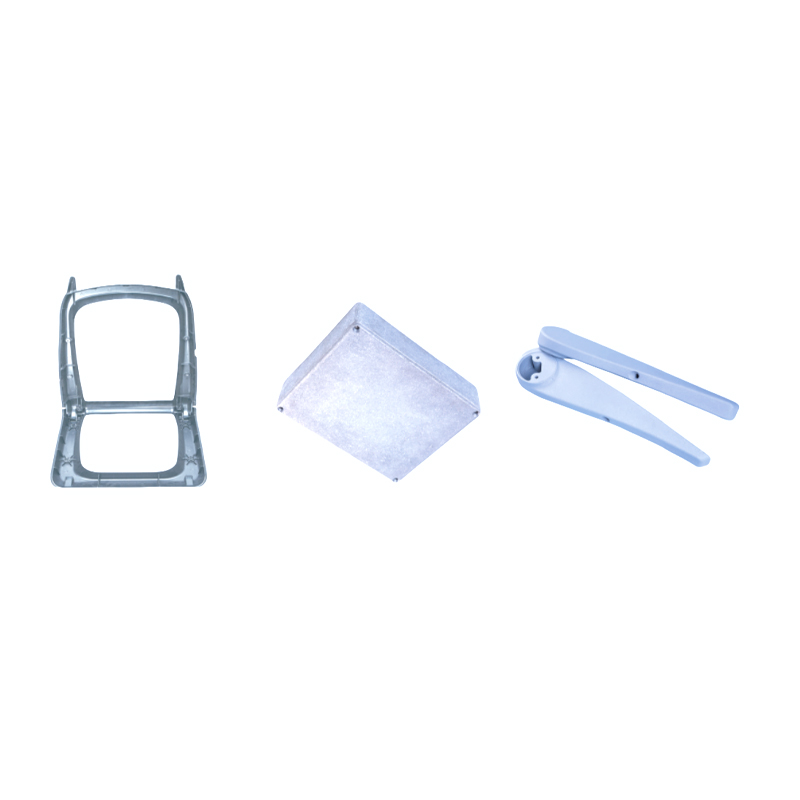 Custom Magnesium alloy Automotive components Suppliers, FactoryNingbo Yunmai Precision Machinery Co., Ltd. is China custom Magnesium alloy Automotive components suppliers and Magnesium alloy Automotiv...View Product →
Communication and electronics equipment is another major user. Magnesium provides natural EMI and RFI shielding, which means a 1.0 to 1.2 mm wall blocks electromagnetic interference nearly as well as a much thicker aluminum or zinc wall. That property removes the need for separate shielding liners in many housings and covers. Because communication equipment is often installed outdoors, the cast housing must also handle heat, moisture, and mechanical loads, which pushes designers to magnesium when plastic parts cannot meet the combined requirements.
Industrial equipment and power tools take advantage of magnesium's vibration damping and reduced operator fatigue. Motor housings, gearbox covers, and hand tool bodies can be produced as single castings with integral mounting bosses, ribs, and cooling fins. Typical examples show how much structure can be consolidated into one part, and the geometry range of magnesium alloy die castings for industrial equipment demonstrates that consolidation in practice.
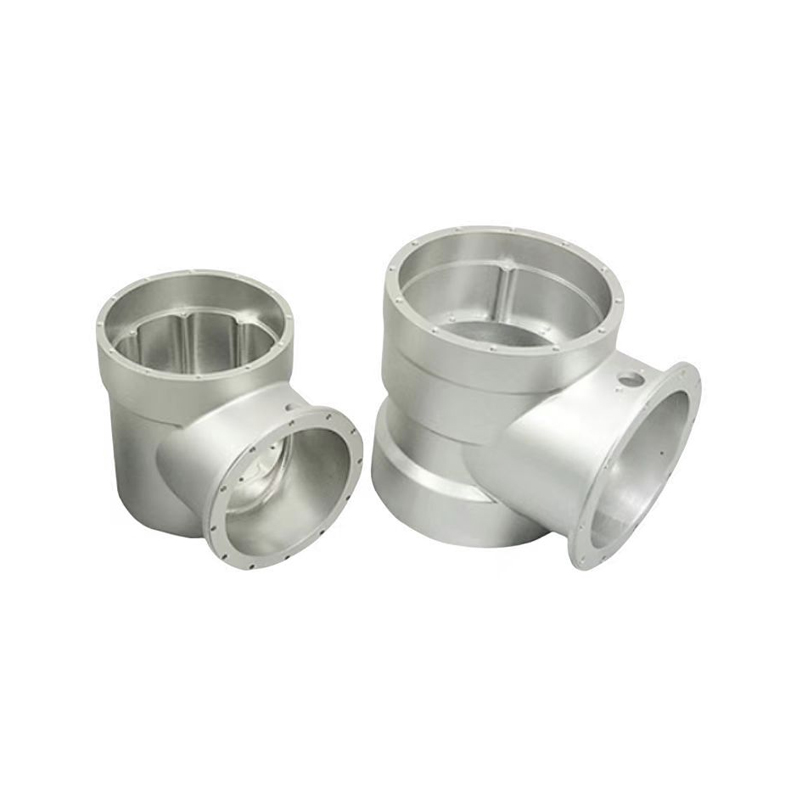 Custom Magnesium alloy Industrial Equipment Suppliers, FactoryNingbo Yunmai Precision Machinery Co., Ltd. is China custom Magnesium alloy Industrial Equipment suppliers and Magnesium alloy Industrial...View Product →
Specialist enclosures, optical housings, and small structural components form a broader category of magnesium alloy items that shows the material's flexibility beyond the automotive and industrial mainstream.
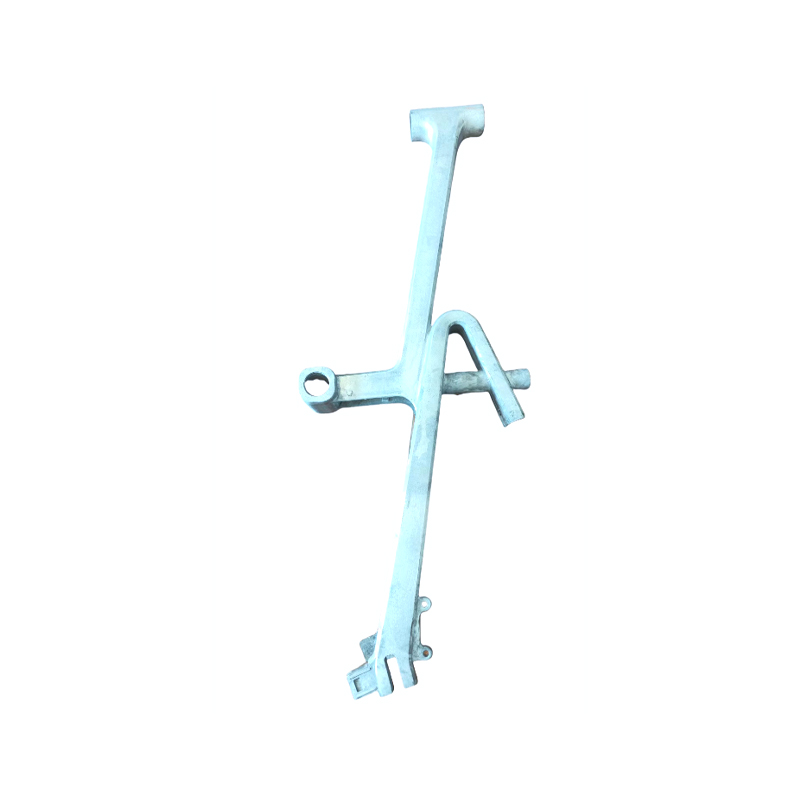 Custom Magnesium alloy items Suppliers, FactoryNingbo Yunmai Precision Machinery Co., Ltd. is China custom Magnesium alloy items suppliers and Magnesium alloy items factory. Electromag...View Product →
Sourcing magnesium die castings involves a few decisions that do not apply to aluminum or zinc projects in the same way.
Suppliers who design the mold and run the casting process under one roof tend to get these points right, because the same team sees the tool design, the process behavior, and the inspection results together. For engineers building a supplier shortlist, a practical follow-up is to check industry news on magnesium die casting materials and mold technology to track how the production side is developing.
The decision to use magnesium alloy die castings is usually driven by simple arithmetic: less weight, thinner walls, and shorter cycle times. The reliability of that arithmetic depends on the alloy, the mold, and the process discipline of the foundry in equal parts. Specify the alloy against measured mechanical requirements, review the magnesium die cast mold design as carefully as the part drawing, and demand data that proves the process is controlled. When those conditions are met, magnesium die casting is one of the most cost-effective ways to build light, stiff, and complex metal parts.

Cylinder Head seals combustion chamber, houses valves & spark plugs, forms coolant passages, wit...

The camshaft bracket cover secures the camshaft position, seals oil channels to prevent leaks, block...
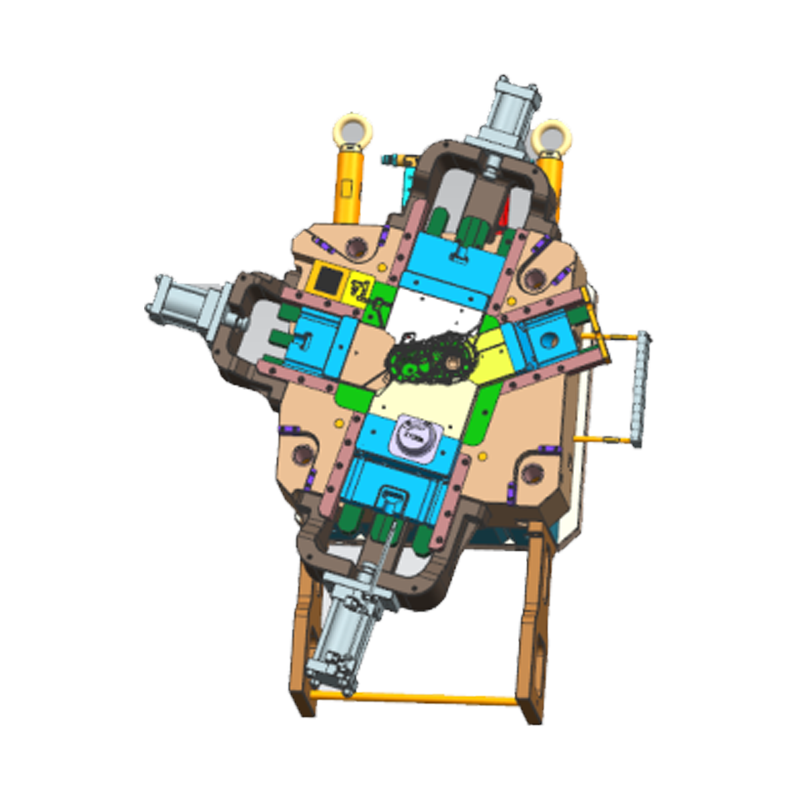
Aluminum die-casting gearbox mold the most critical requirements: 1. Material properties require hig...

Die casting transmission EM Side Housing mold is designed by JYD(Yunmai) for NIO transmission Rear H...

transmission rear Housing molds are foundational to the efficient and precise manufacturing of autom...
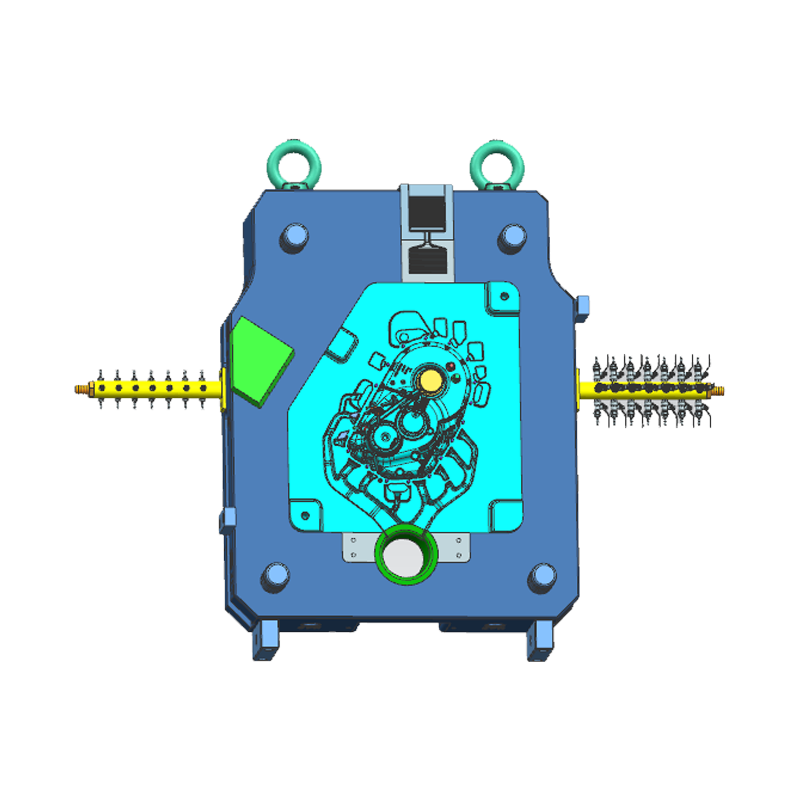
SERES transimission adopts complex cavity structure; high efficiency cooling system, the development...
Copyright © Ningbo Yunmai Precision Machinery Co., Ltd. All Rights Reserved
 OEM/ODM Die Casting/Cast Molds Manufacturers